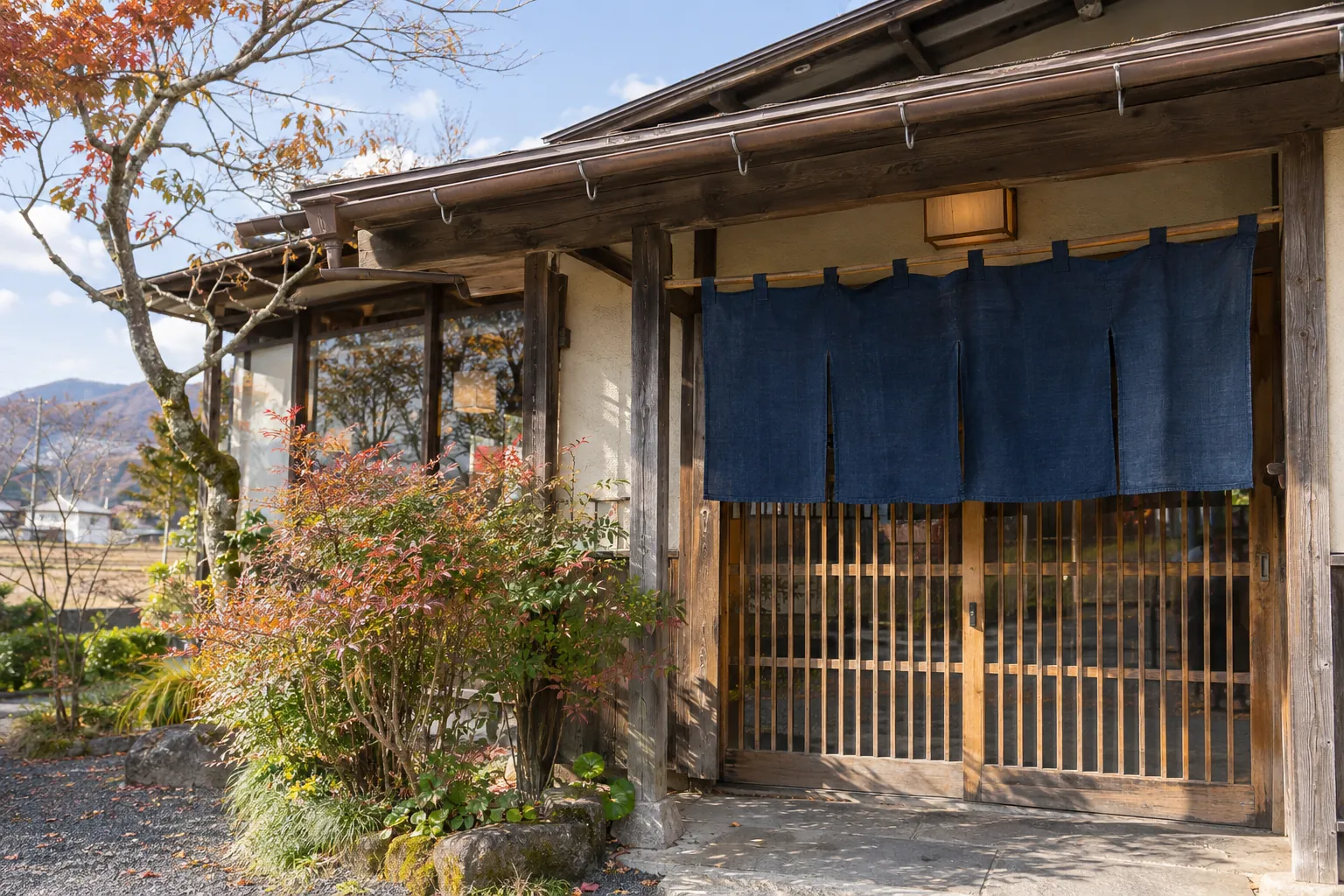
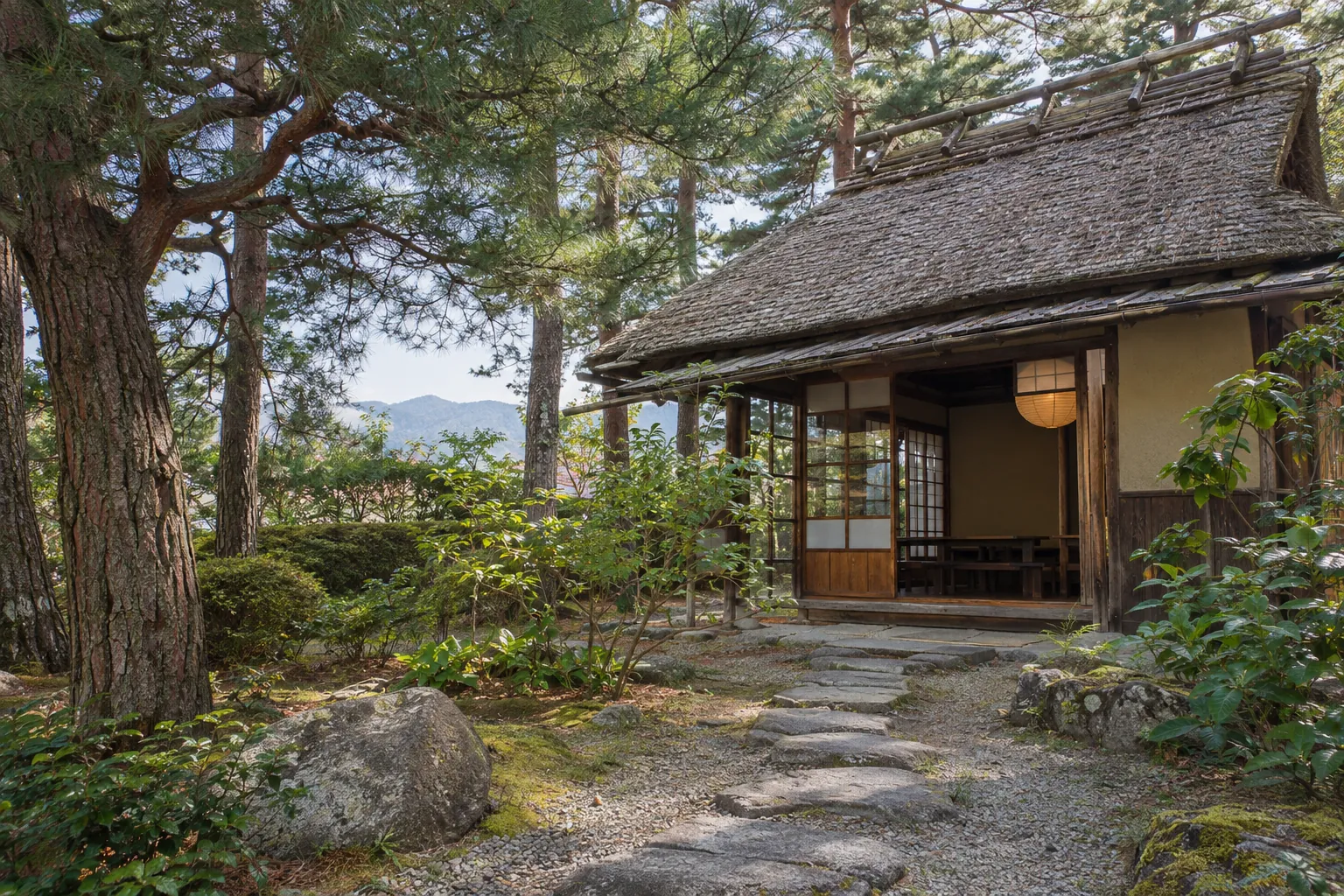
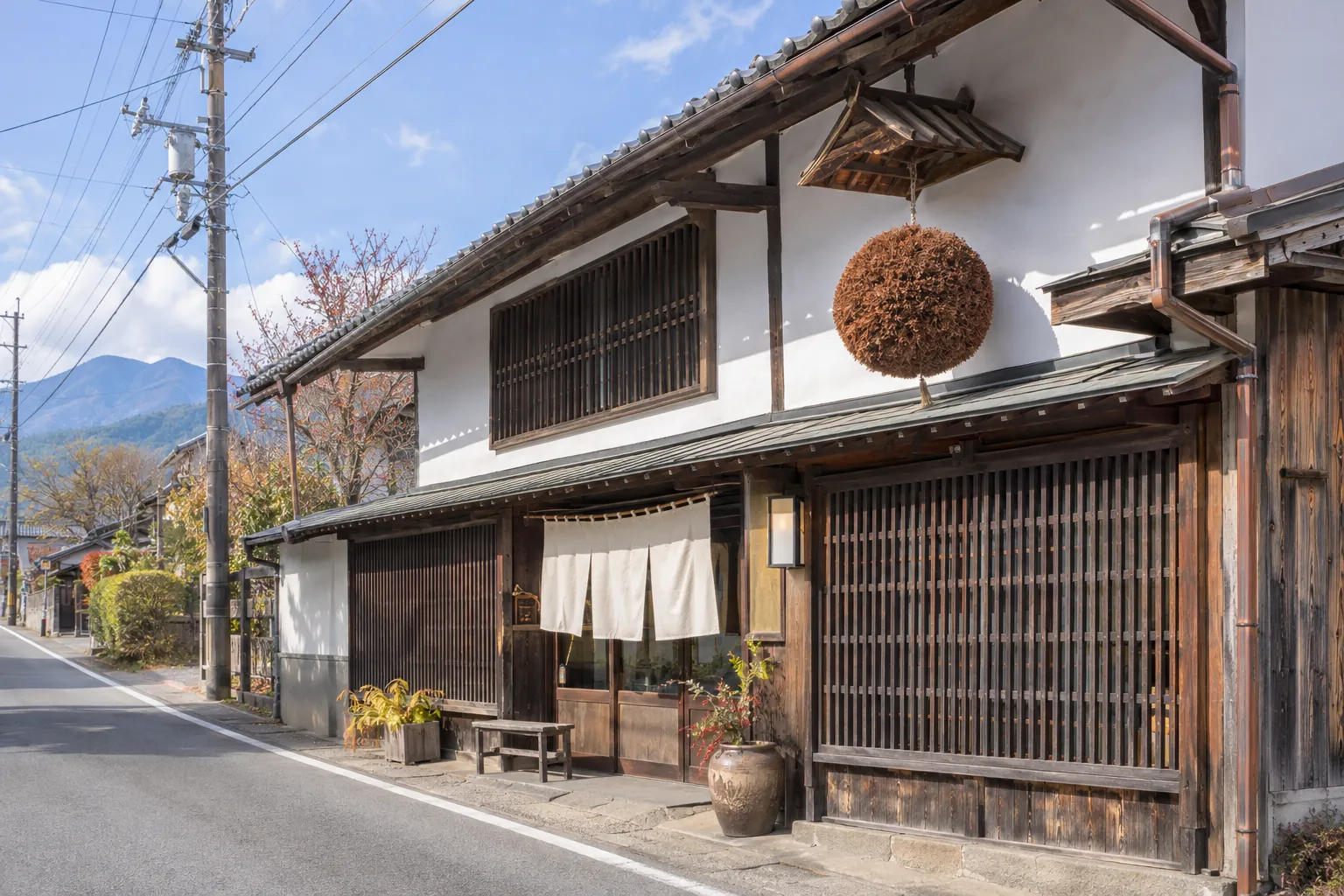
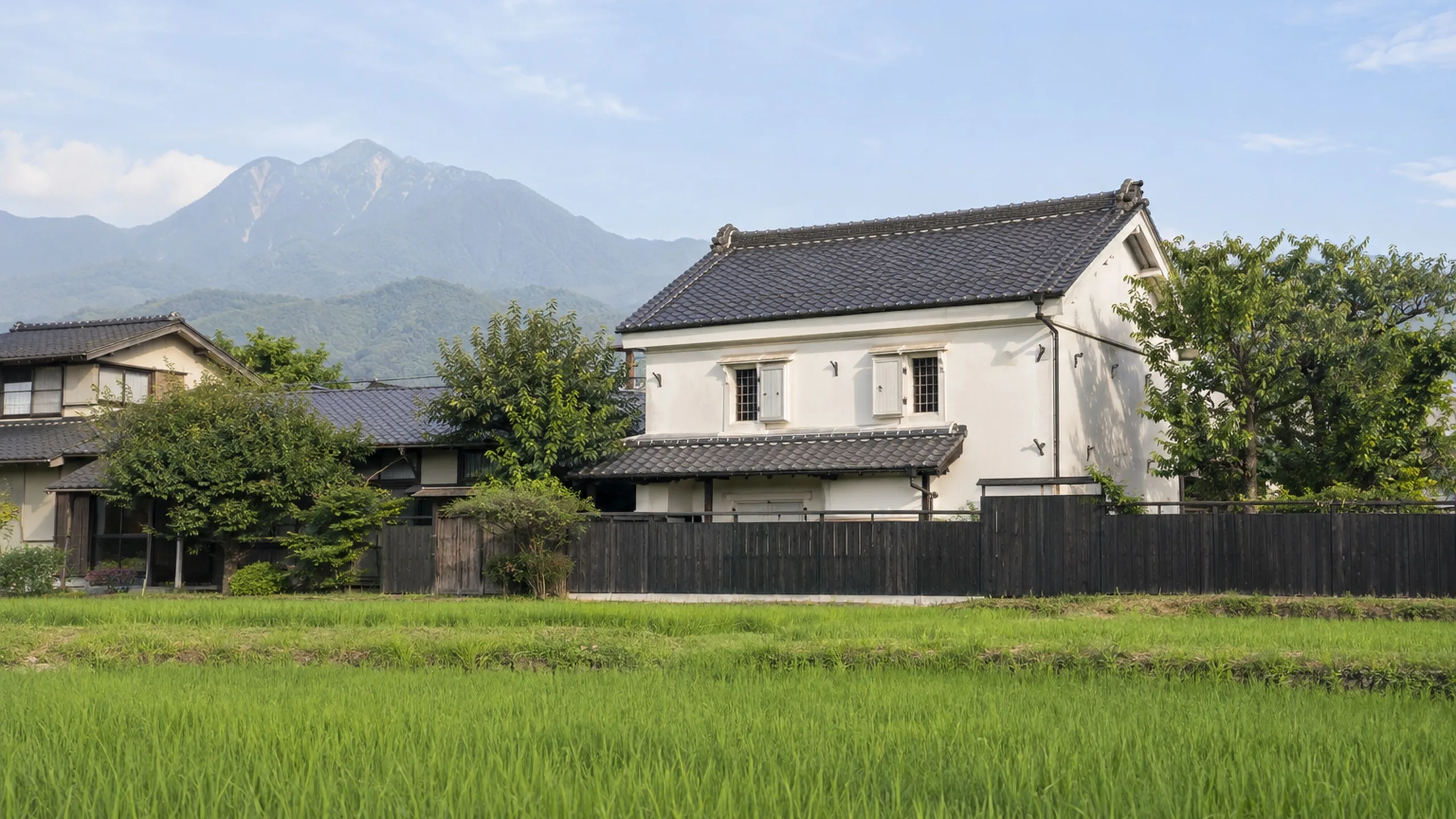
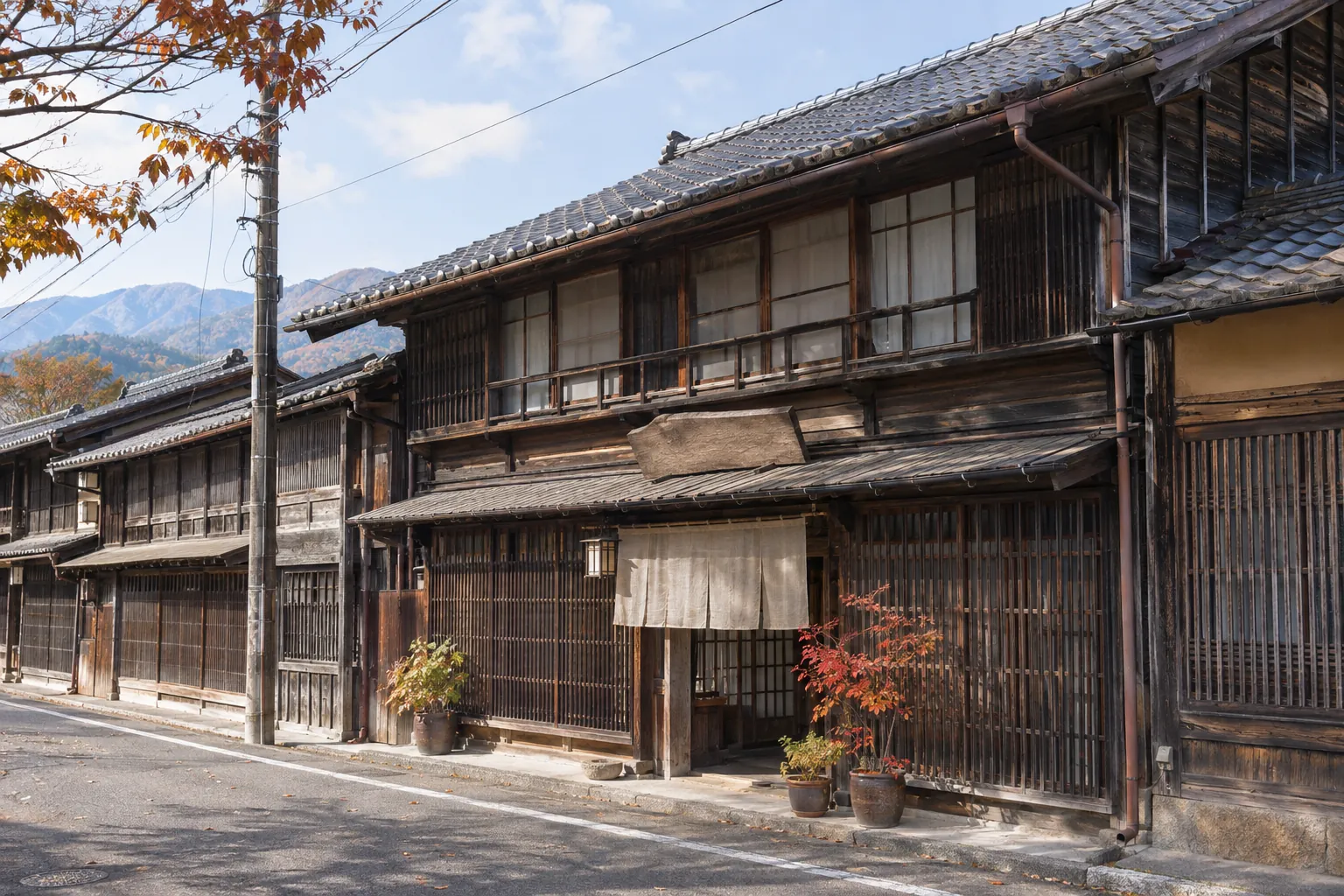
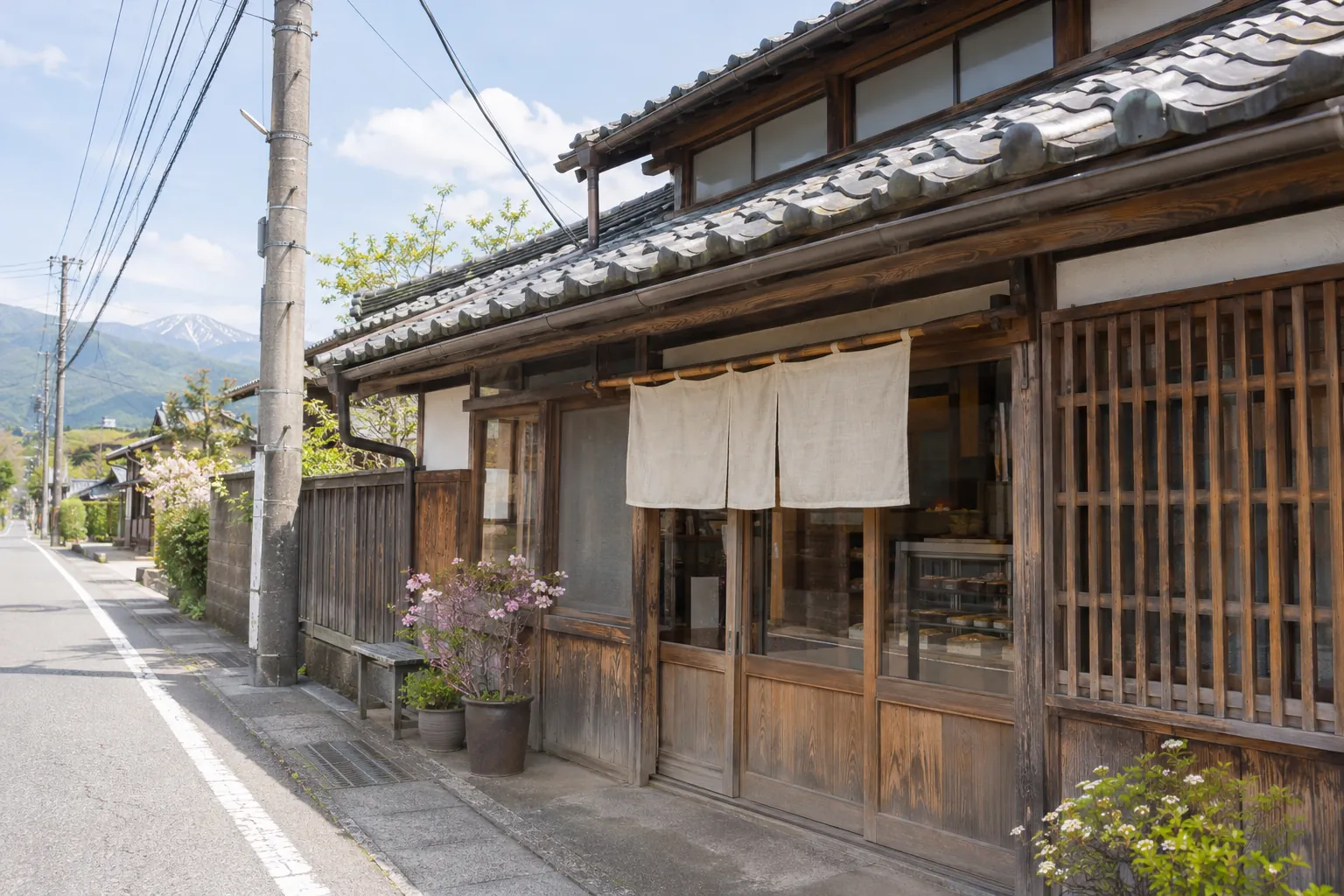
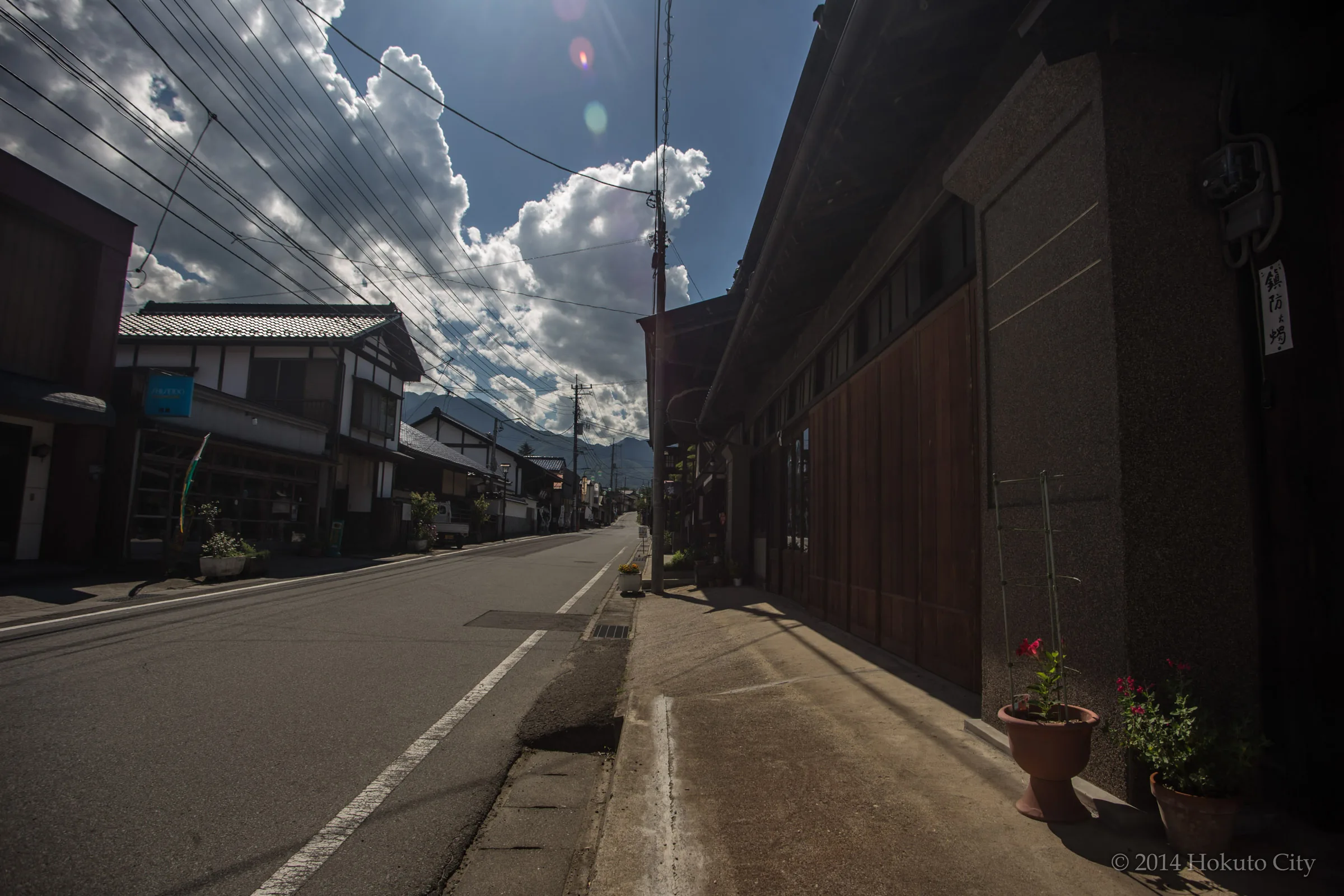
Walk an Edo-period post town on the old Koshu Highway.
Tip
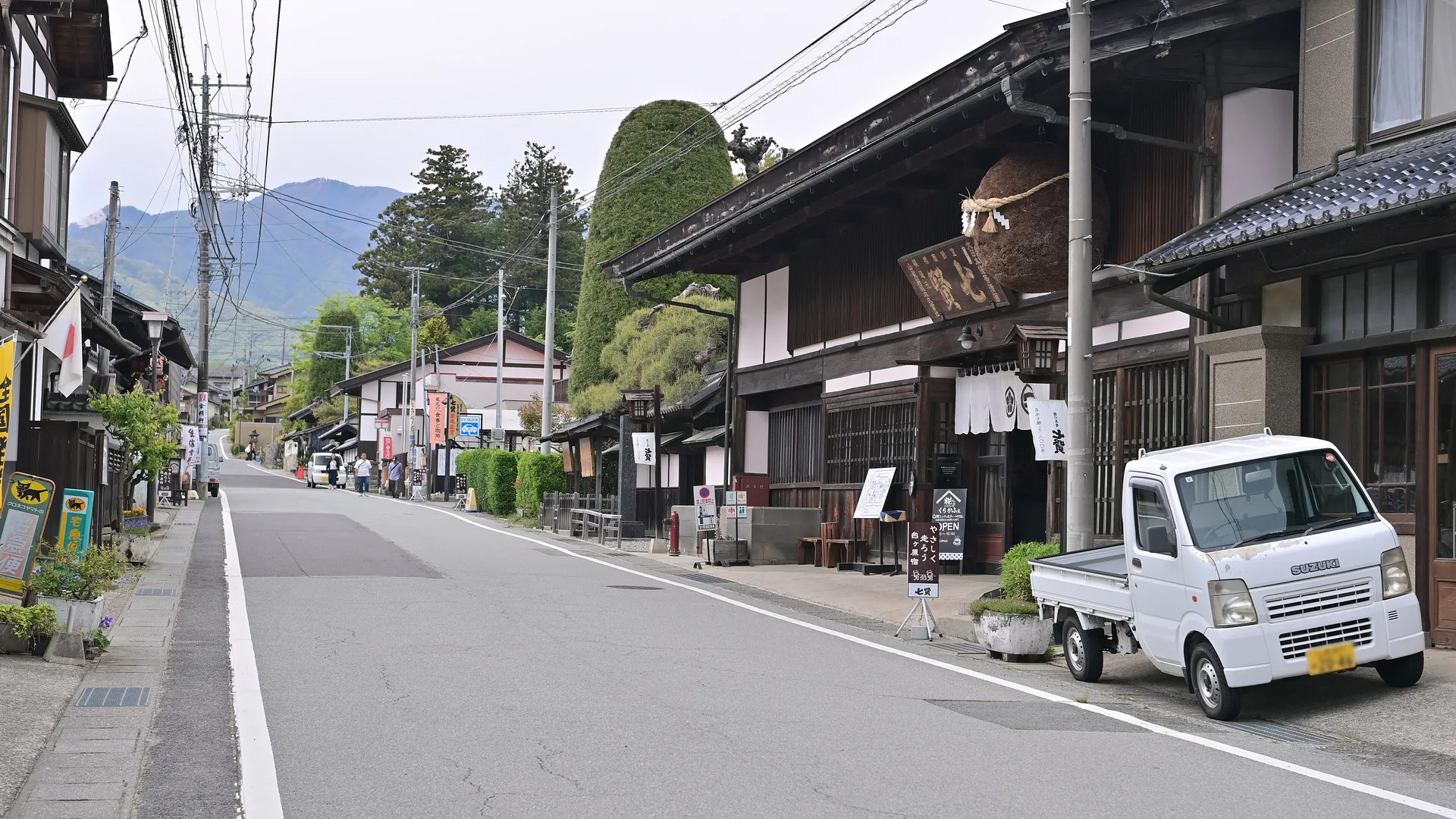
Step onto the old road that runs beside today’s highway and walk slowly. Look at the eaves and the storehouses, and you can picture the bustle of travellers passing through.
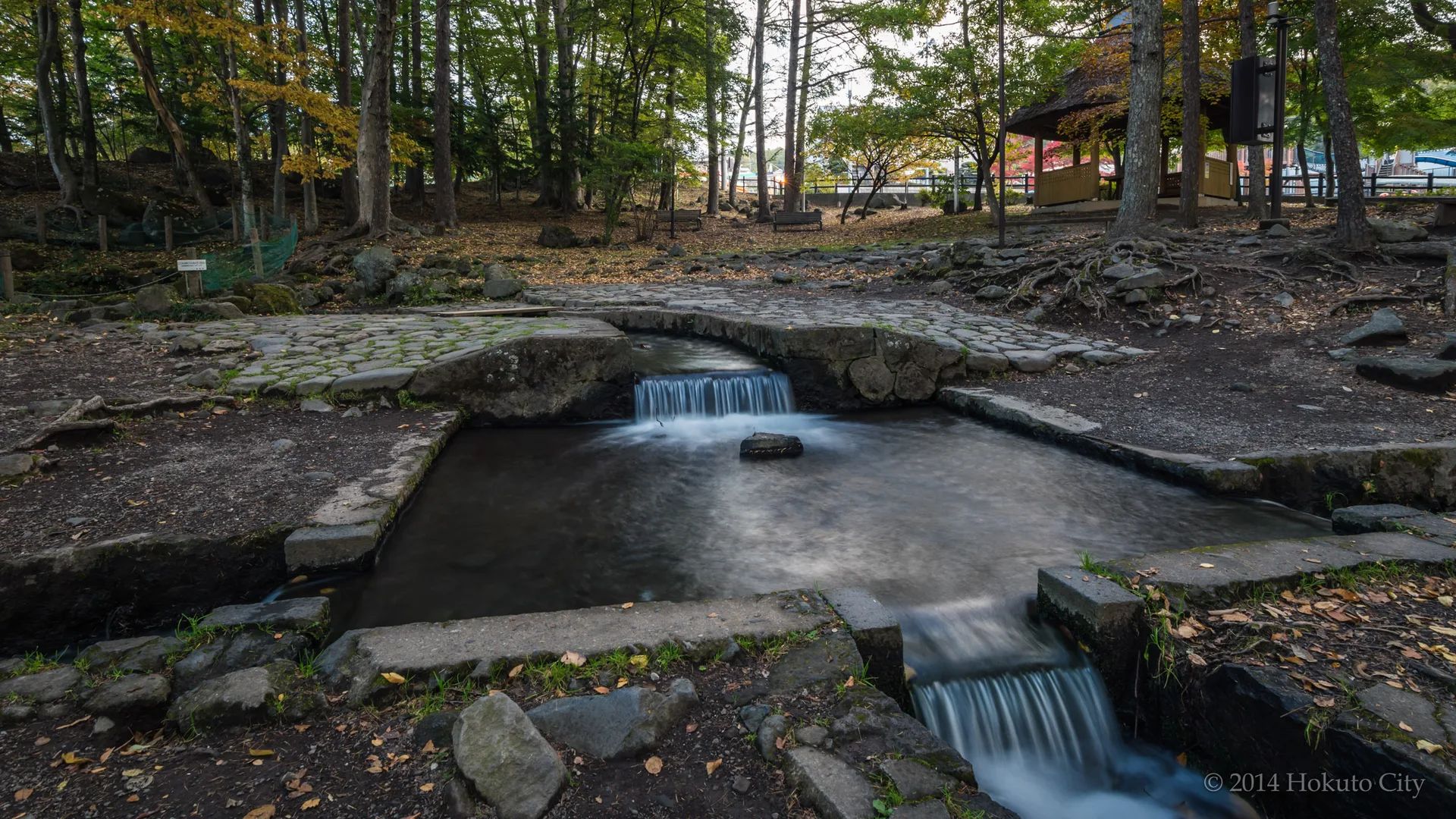
One of Japan's 100 finest waters, with a triangular stone that splits the flow three ways.
Tip
At the spring’s outlet, watch the water part three ways around the stone pillar. Learn how the spring works and its history at the Spring Museum first, and it becomes easy to picture villages sharing this water.
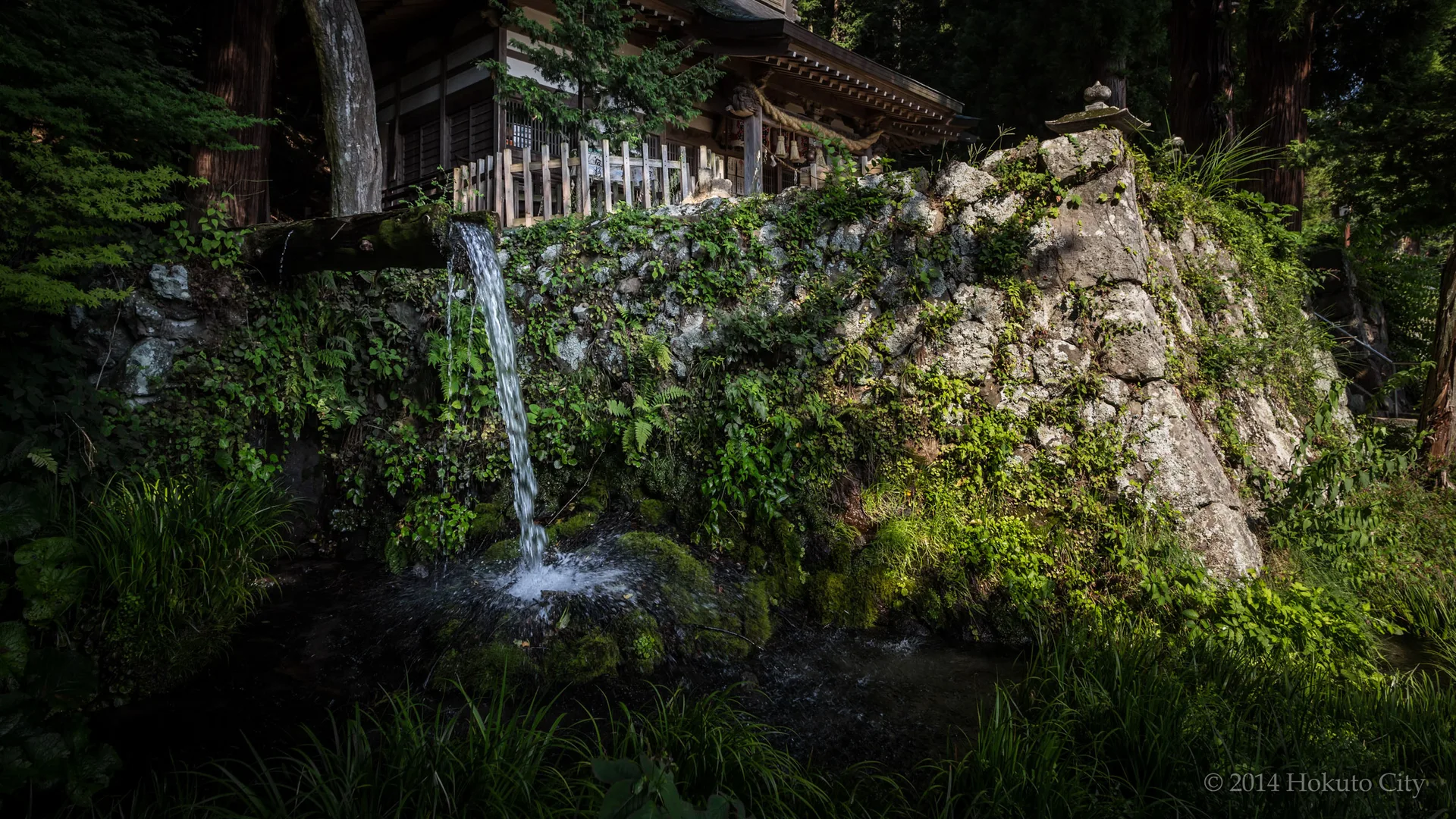
A famous spring pouring from a hollowed-log spout.
Tip
Get close to the spout and feel how strong and cold the water is. About 22,000 tonnes a day still waters the rice fields, which changes how you see the stream at your feet.
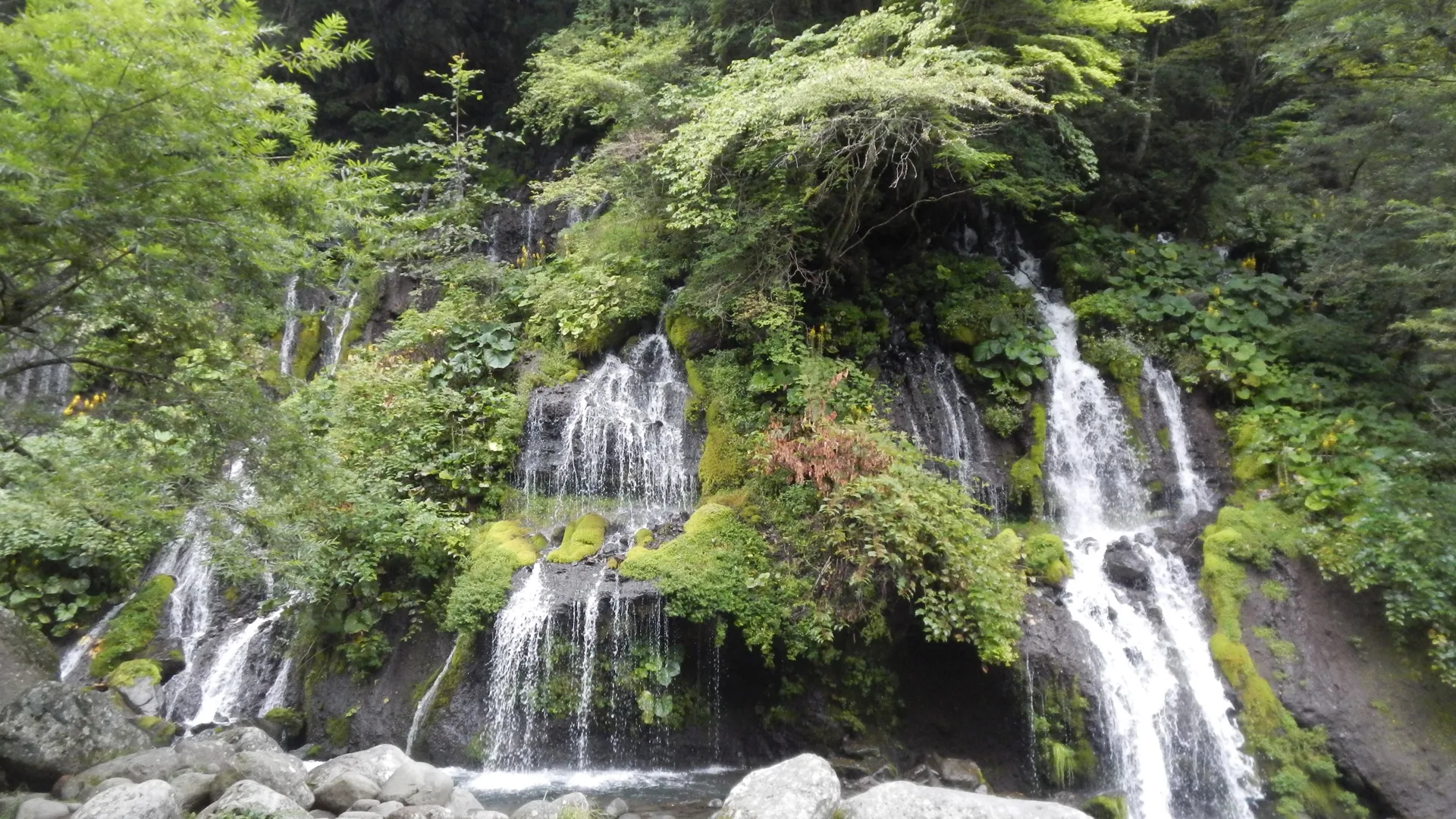
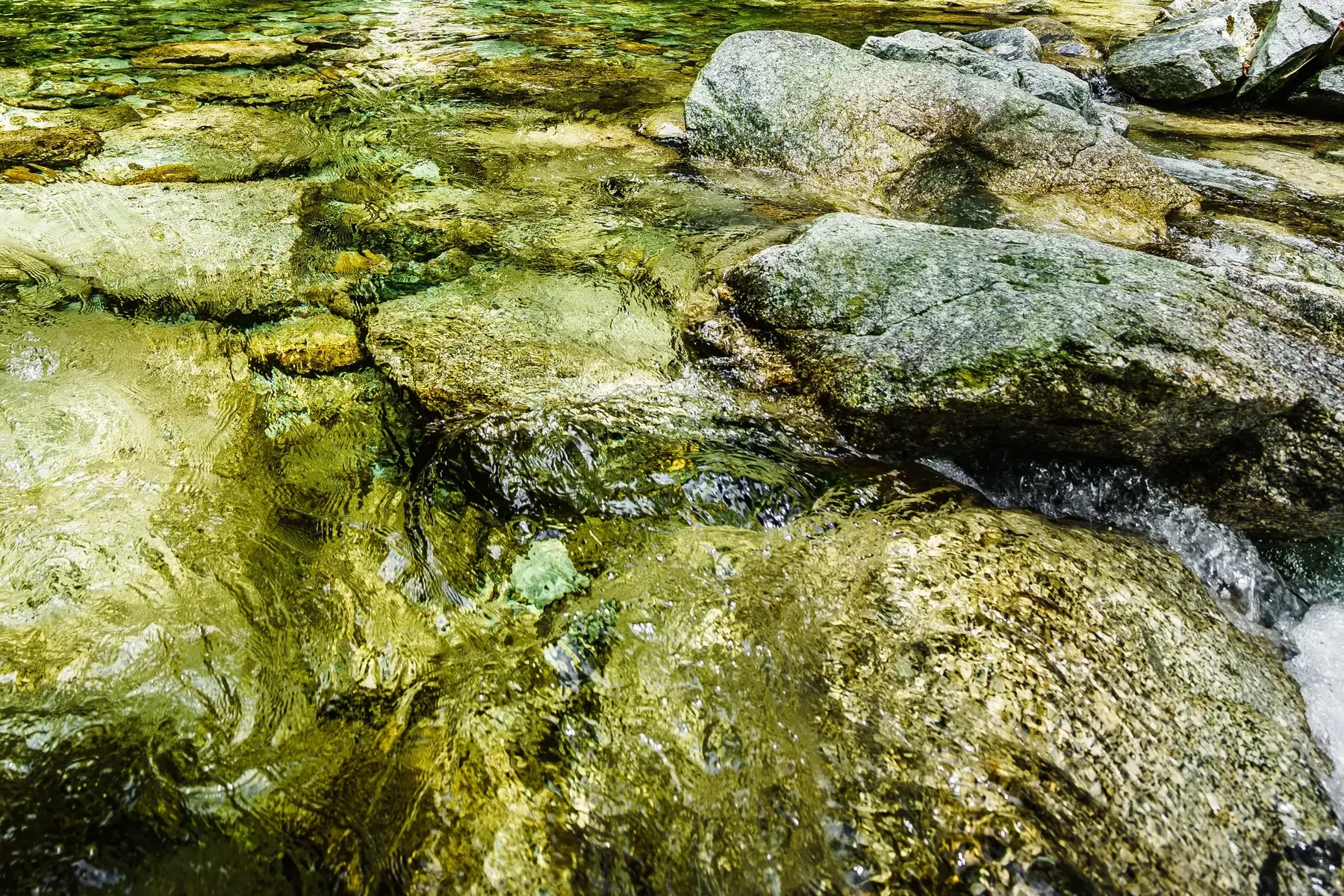
Granite and emerald pools at the source of Hakushu's water.
Tip
On a first visit, make Sengafuchi, about 15 minutes from the car park, your goal. Ringed by white rock, the pool changes colour with the angle and the light. Stay out of the water and enjoy the colour from the bank.
Good forFamilies with children
Price guide
Free
Languages
Checking with venue
Closed
Open all year, but the gorge trail is usually closed mid-Dec to mid-Apr, and beyond Fudo Falls it is closed for now after a landslide
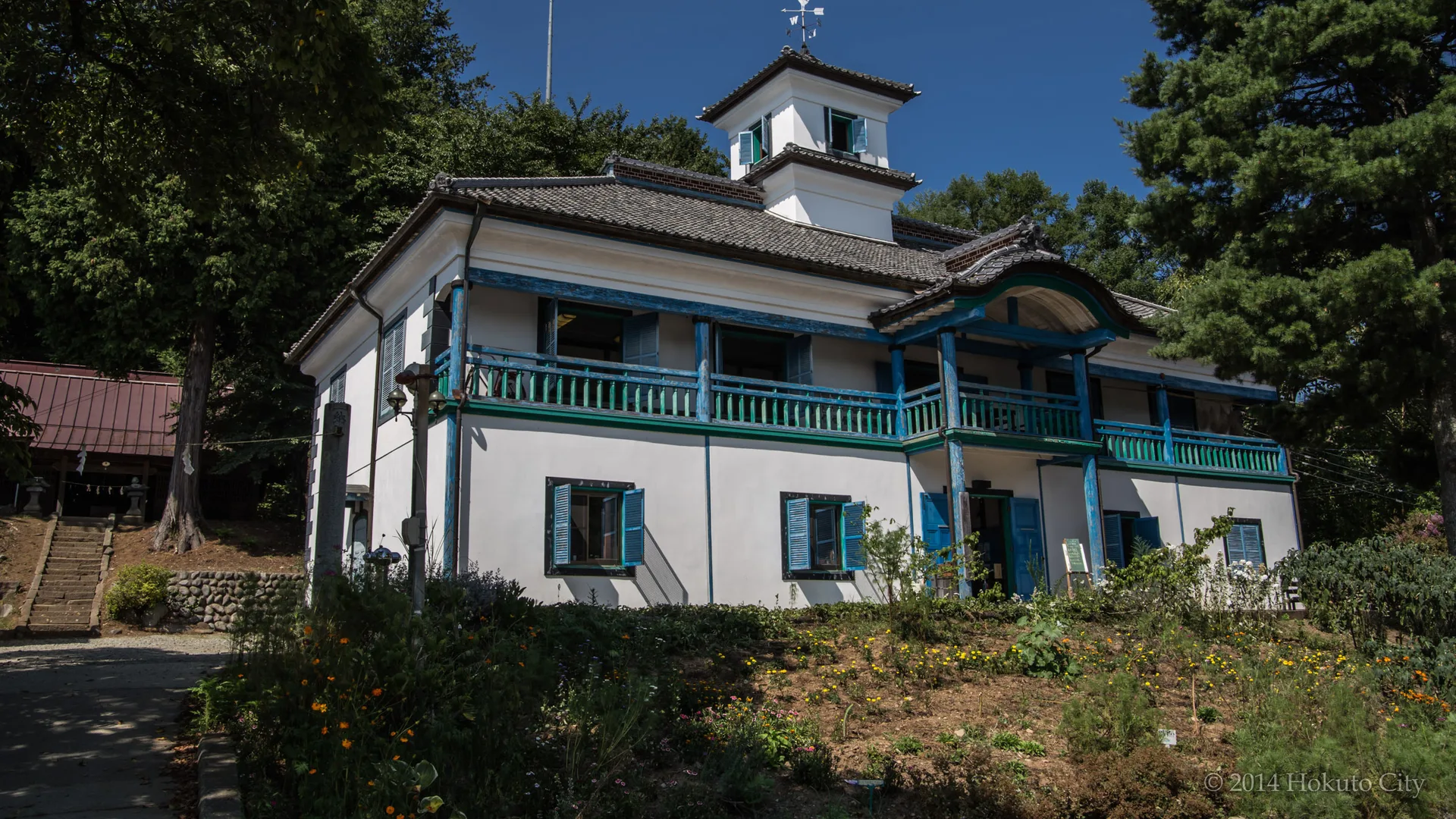
In the classrooms, look for old teaching tools such as the bell that started lessons and the pedal organ. Afterwards, rest in the ground-floor café and take in the feel of the wooden schoolhouse.
Good forRainy daysHistory loversFamilies with children
Price guide
Adults ¥200, children ¥100
Languages
Checking with venue
Closed
Wed (open if a holiday, closed the next day), New Year holidays
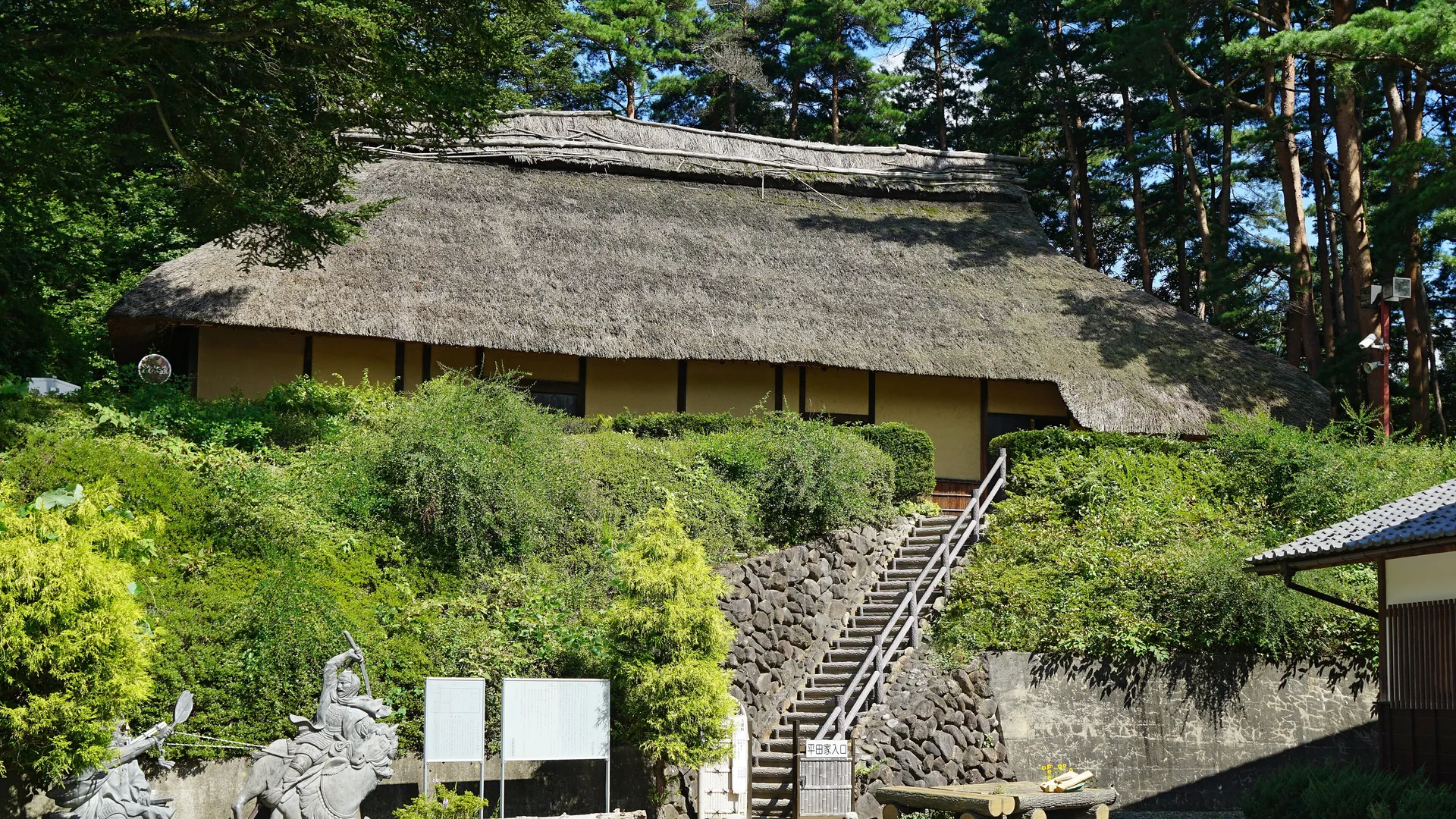
An Edo-period village headman's house, 10 minutes' walk from Kobuchisawa Station.
Tip
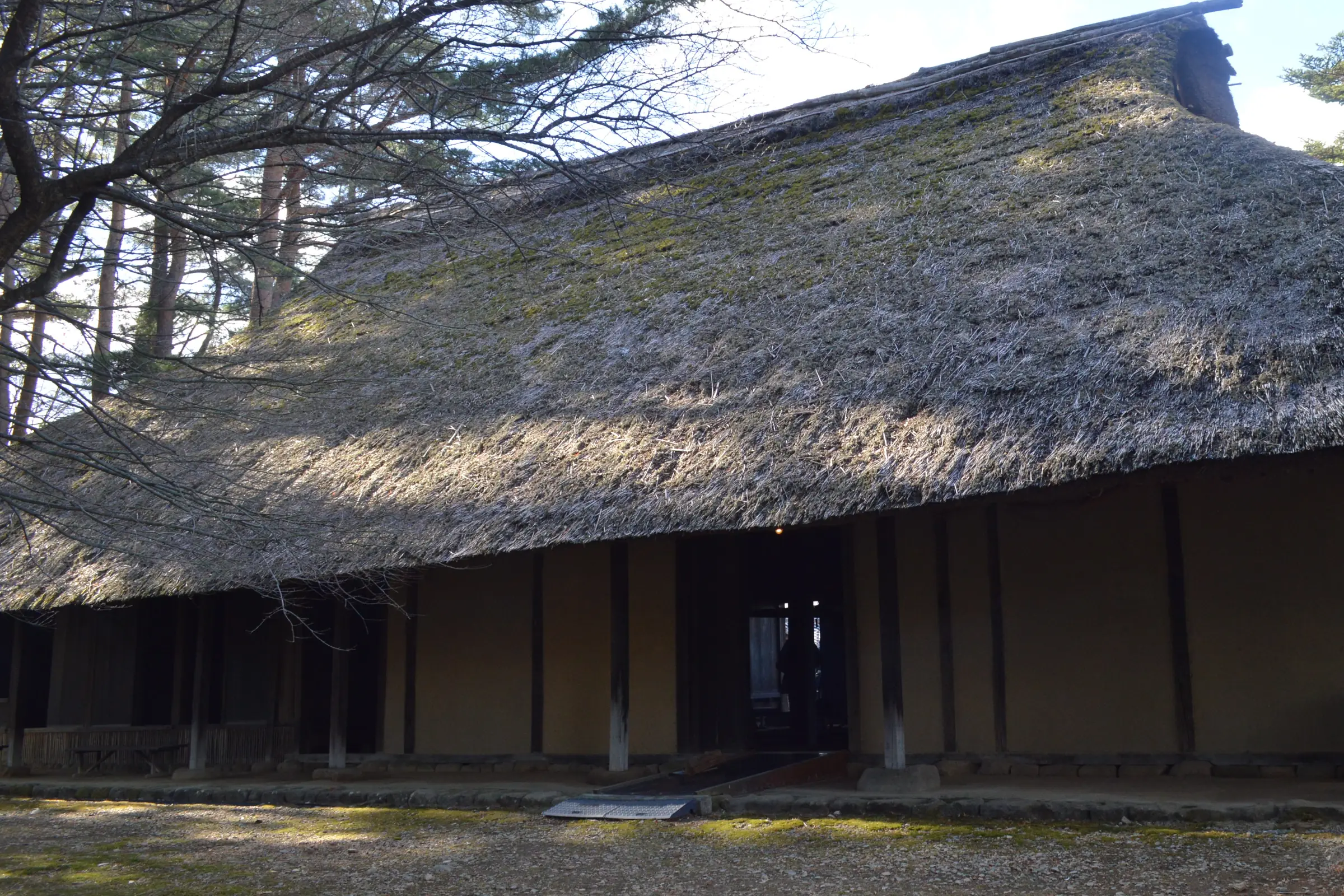
Inside, first look up at the wide earthen floor and the rows of thick pillars. Find out why the stable posts are sunk straight into the ground, and look for traces of the area where people lived on straw mats, and an Edo farm day comes to life.
Good forRainy daysHistory lovers
Price guide
Adults ¥210, children ¥100
Languages
Checking with venue
Closed
Tue, Wed (Thu if a holiday), the day after a holiday, 28 Dec–4 Jan
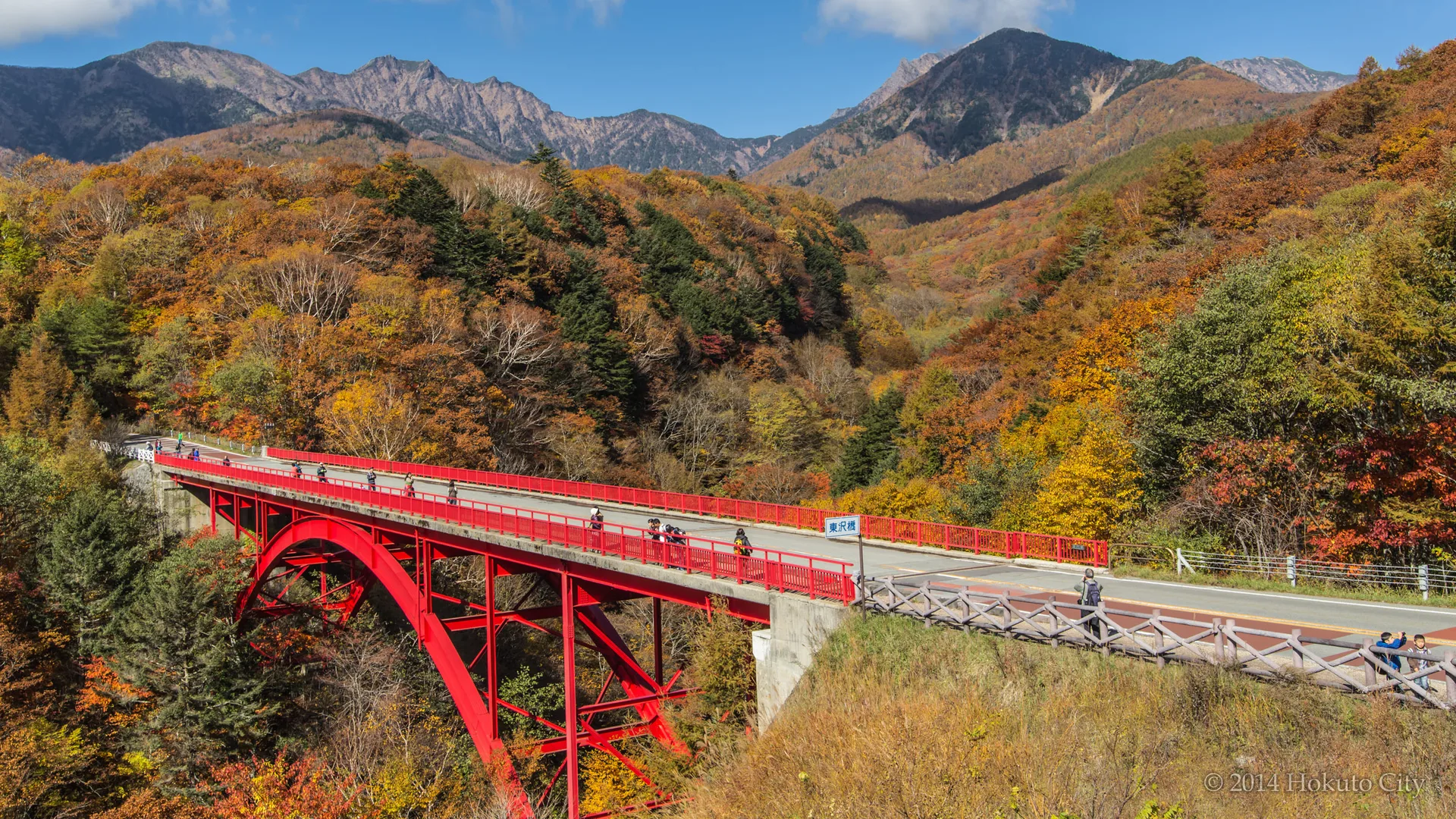
The “red bridge”, with the Yatsugatake mountains behind.
Tip
From the viewing area at the east end (the Kiyosato Station side), take in the bridge and the mountains together. Autumn, when the red bridge meets the coloured leaves, is the best time.
The “yellow bridge”, with views of Yatsugatake, the Southern Alps and Mt. Fuji.
Tip
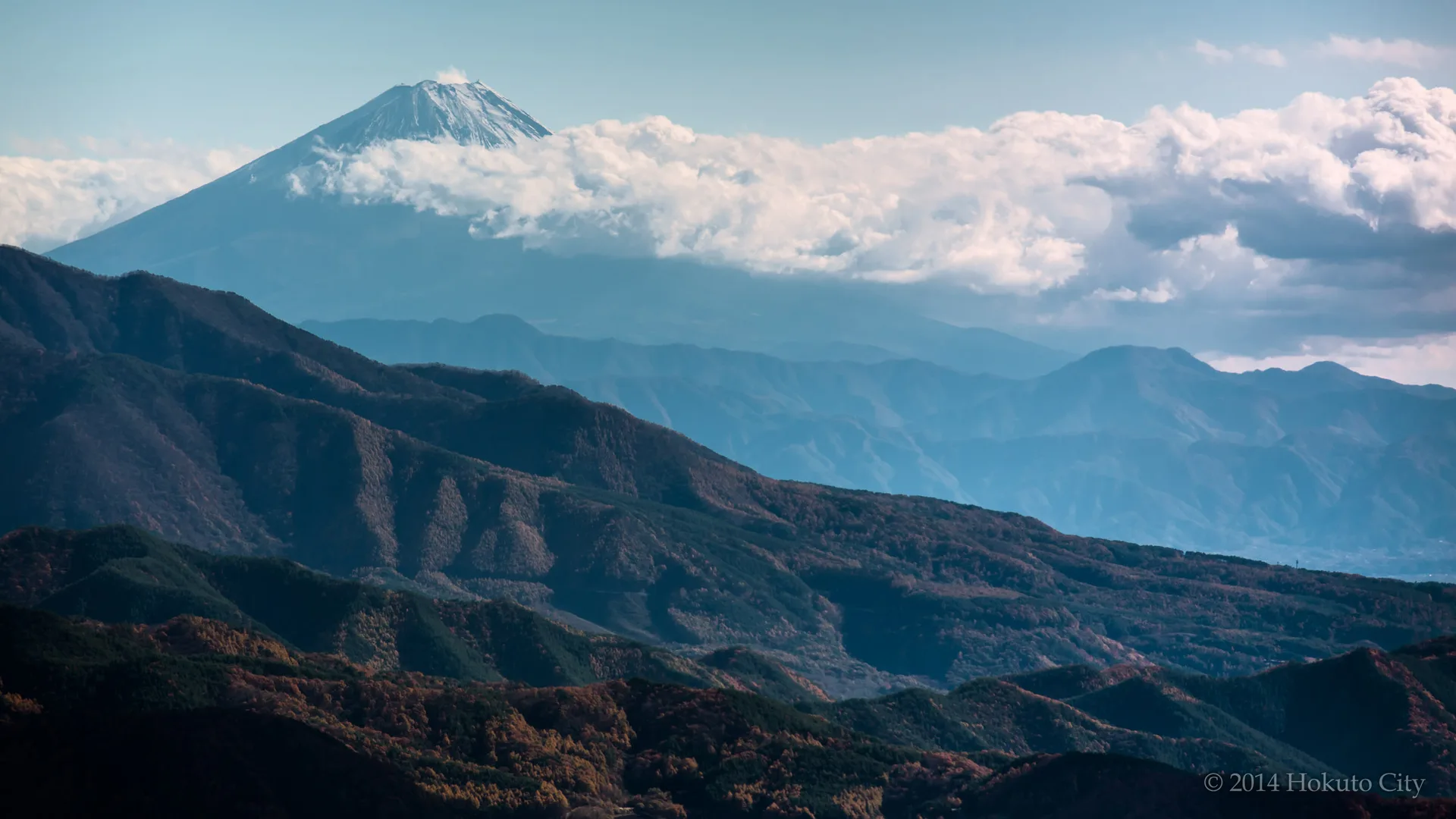
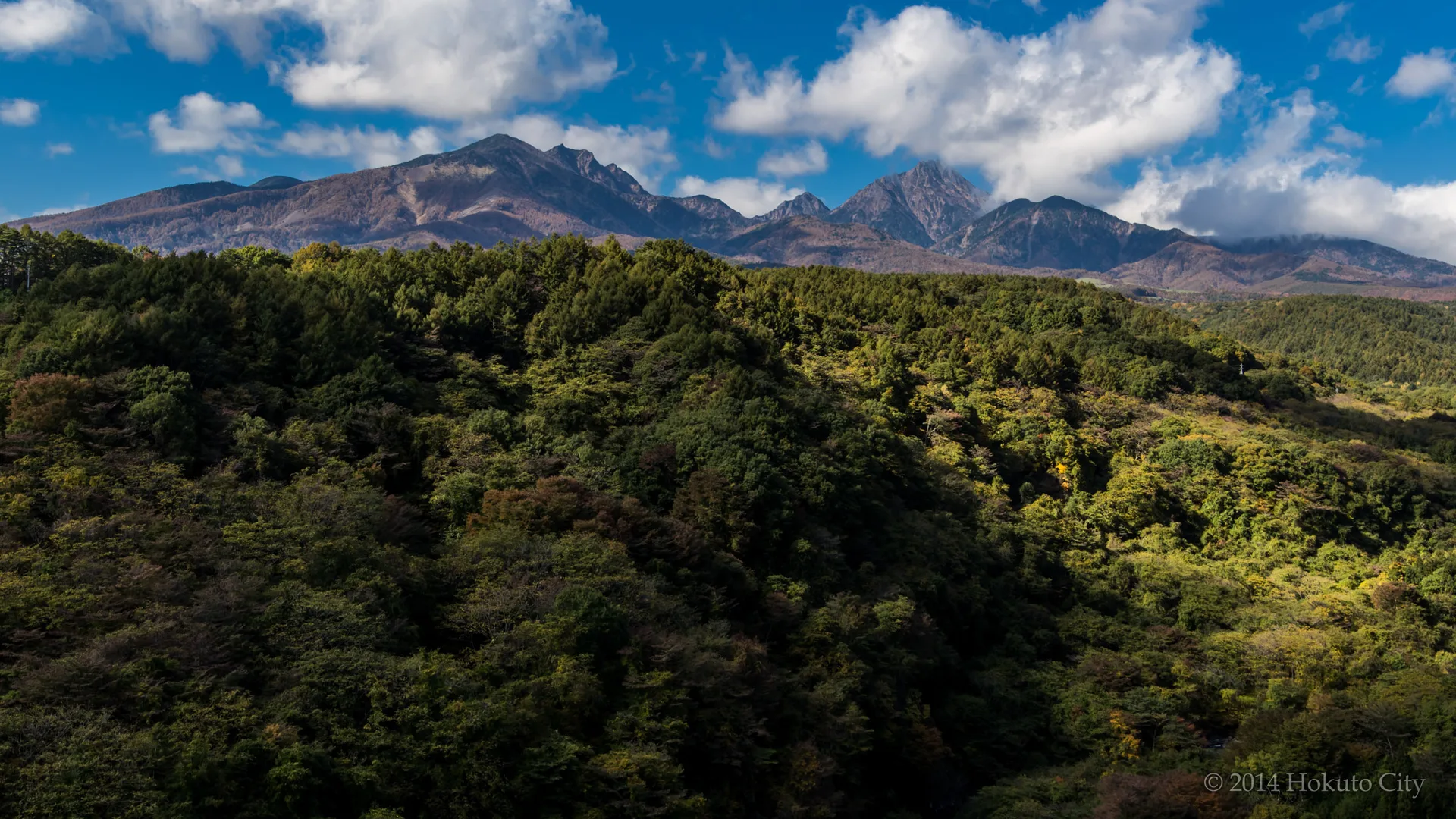
Park at the viewing car park on the Kiyosato Station side of the bridge and take in the bridge and the ranges. Yatsugatake lies to the north, the Southern Alps to the south-west and Mt. Fuji to the south, a different mountain each way you turn.
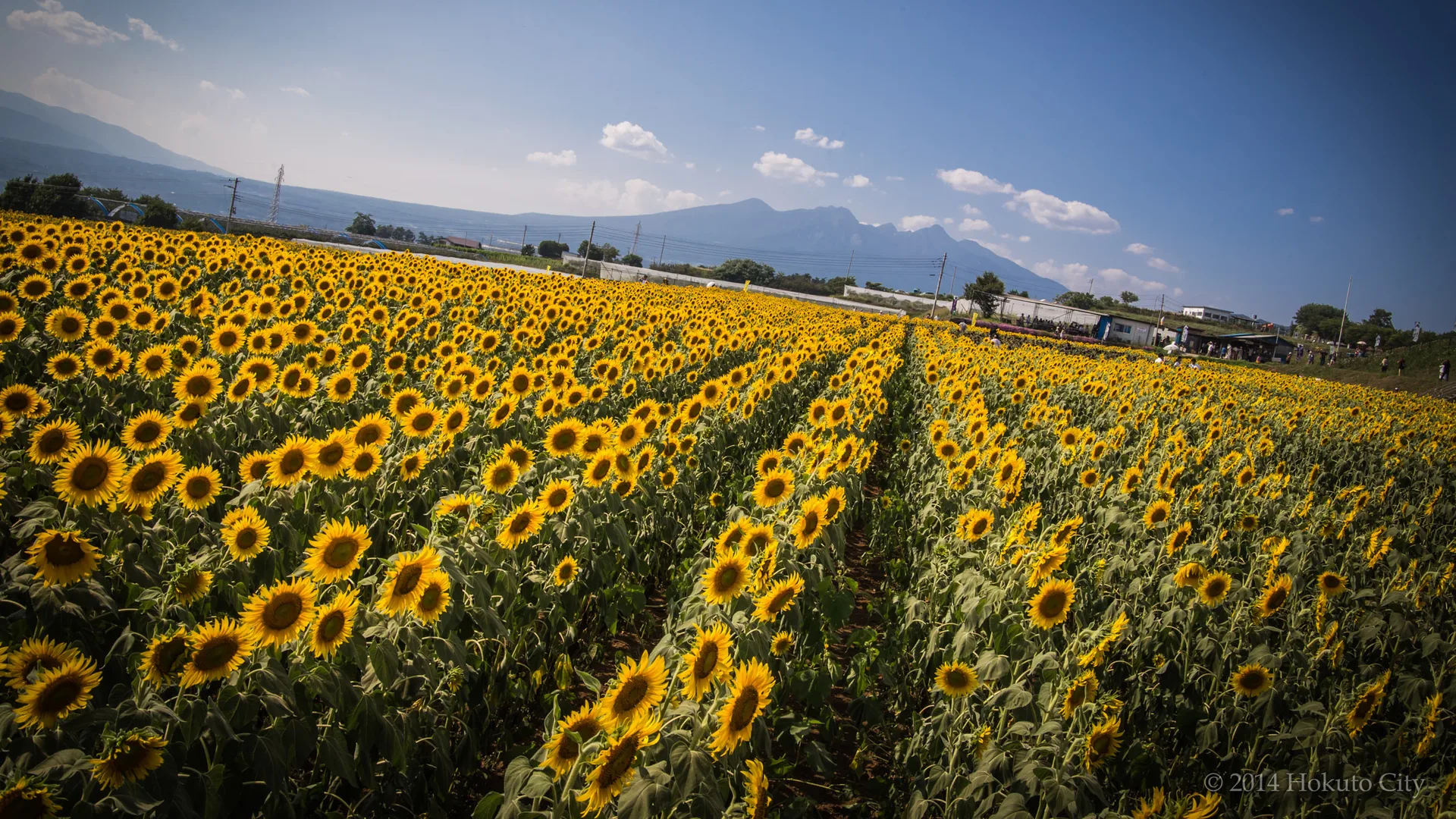
Some 400,000 sunflowers against the mountains in summer.
Tip
You can walk freely among the flowers, so step into the field and take a picture with the mountains behind. On a clear morning the peaks look sharpest.
Good forFamilies with children
Price guide
Free entry (sunflower donation: ¥1,000 per car)
Languages
Checking with venue
Closed
Outside the Sunflower Festival (held 18 Jul–16 Aug in 2026)
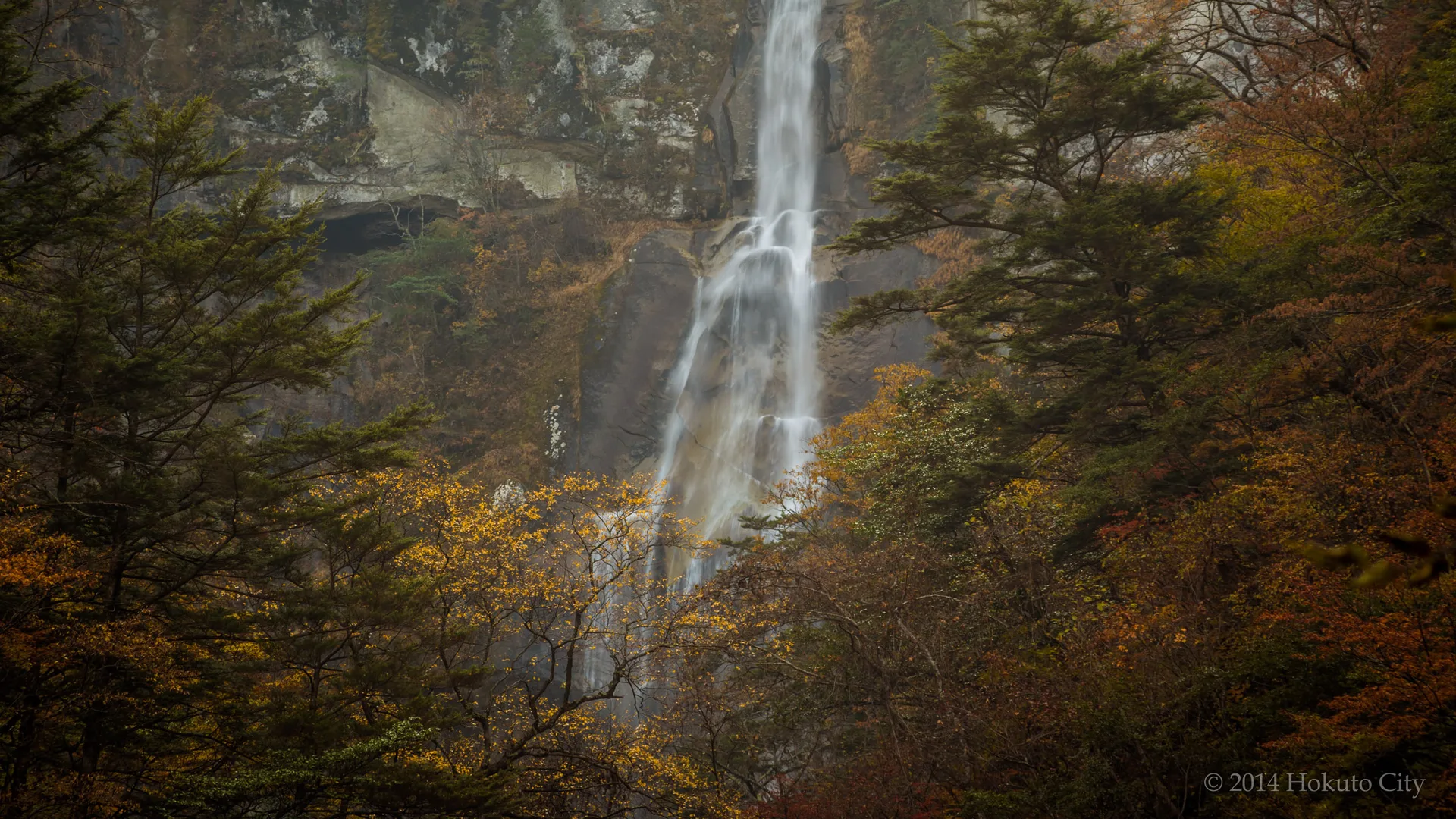
One of Japan's 100 finest waterfalls, 121 m high, seen from a viewing platform.
Tip
On the gorge trail, count the falls as they appear, first, second and third. At the viewing platform at the end, watch the water drop 121 m in one go and spread into mist.
Price guide
Free
Languages
Checking with venue
Closed
The forest road closes in winter (from late Nov or early Dec to late Apr)
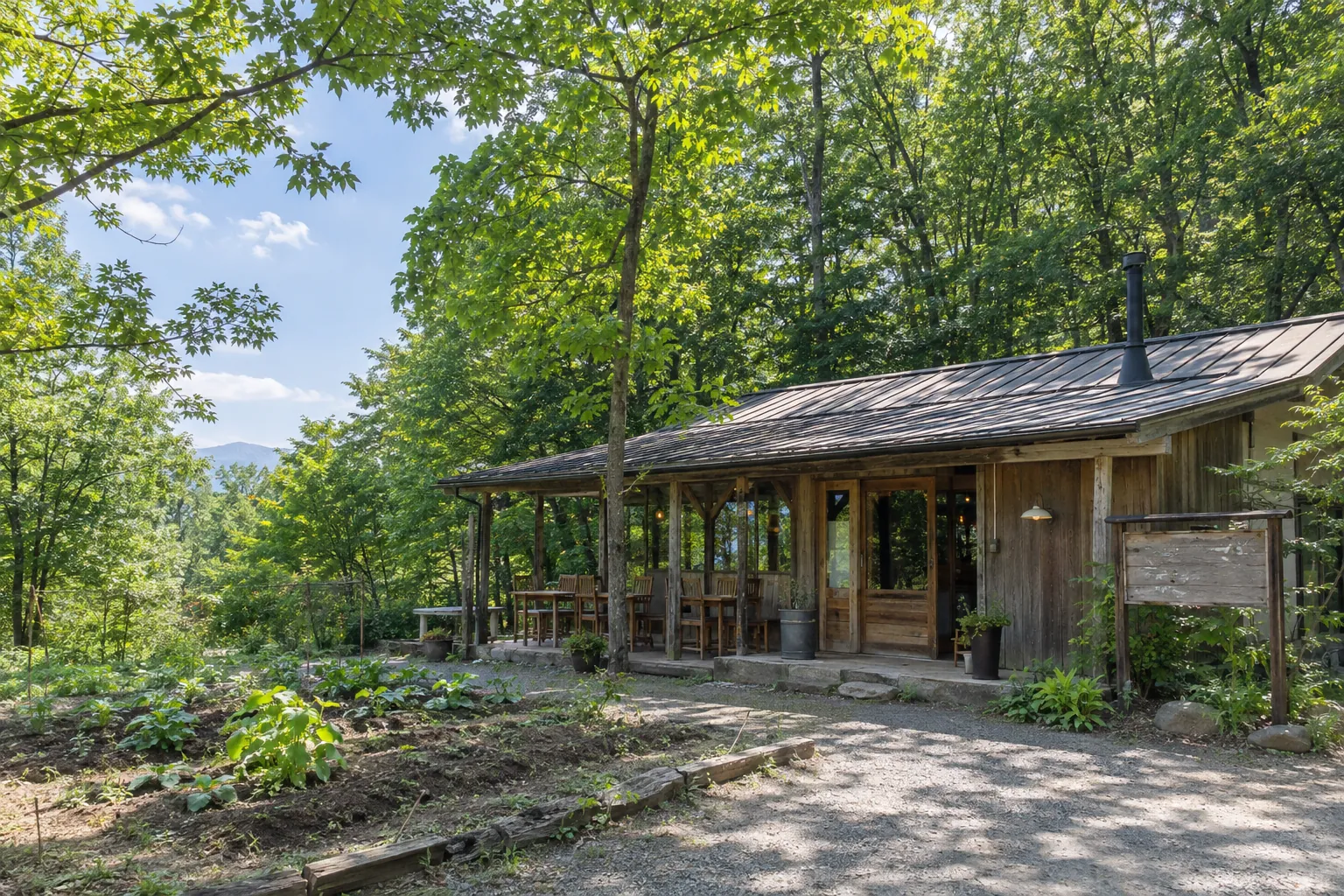
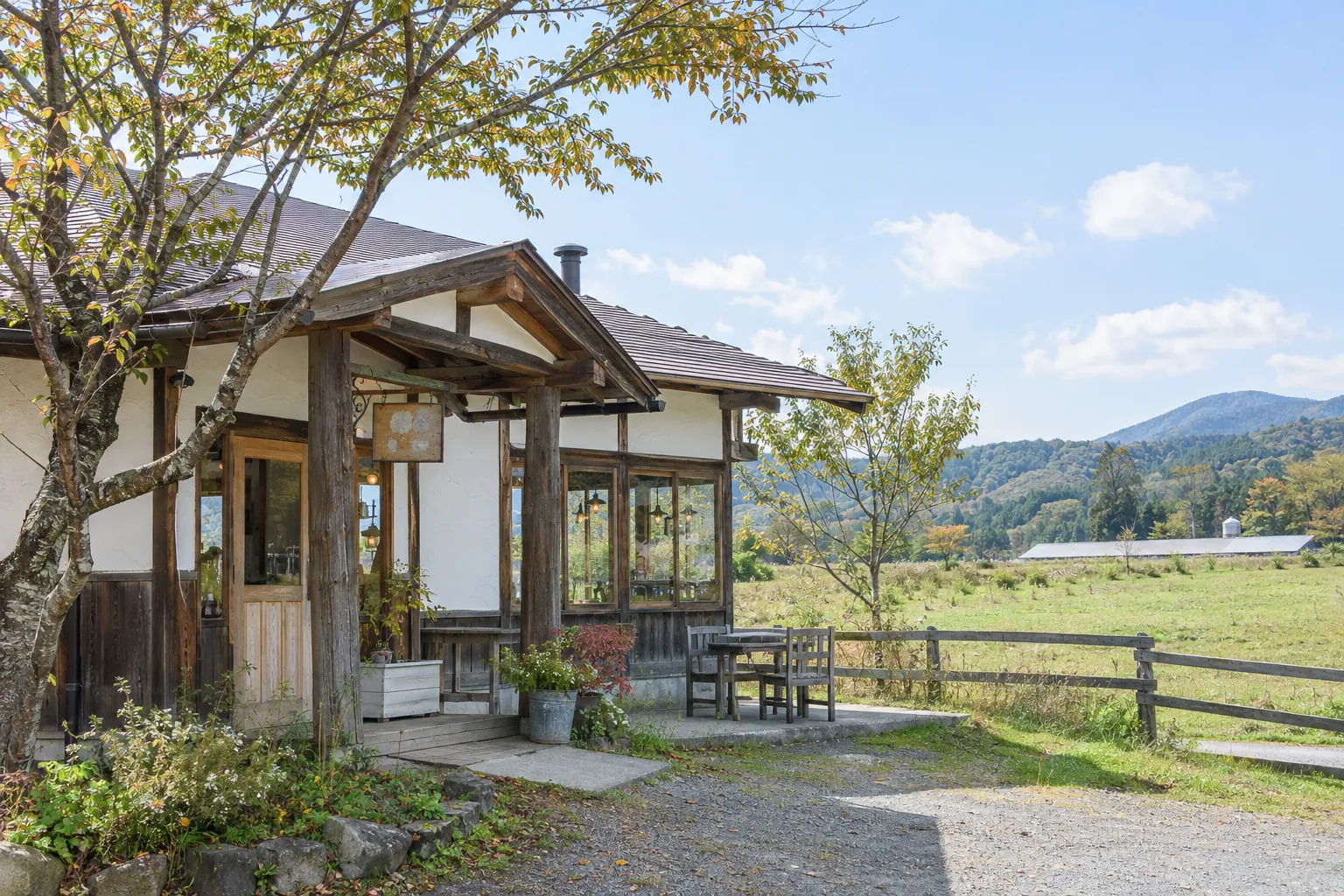
A forest kitchen cooking with vegetables from its own fields.
Tip
Komorebi grows its vegetables in fields a short walk from the kitchen. As you eat, picture where in the view outside each vegetable on your plate grew. Come a little after the lunchtime rush and you can take your time with the sound of the woods.
Good forRainy daysQuiet timeFamilies with children
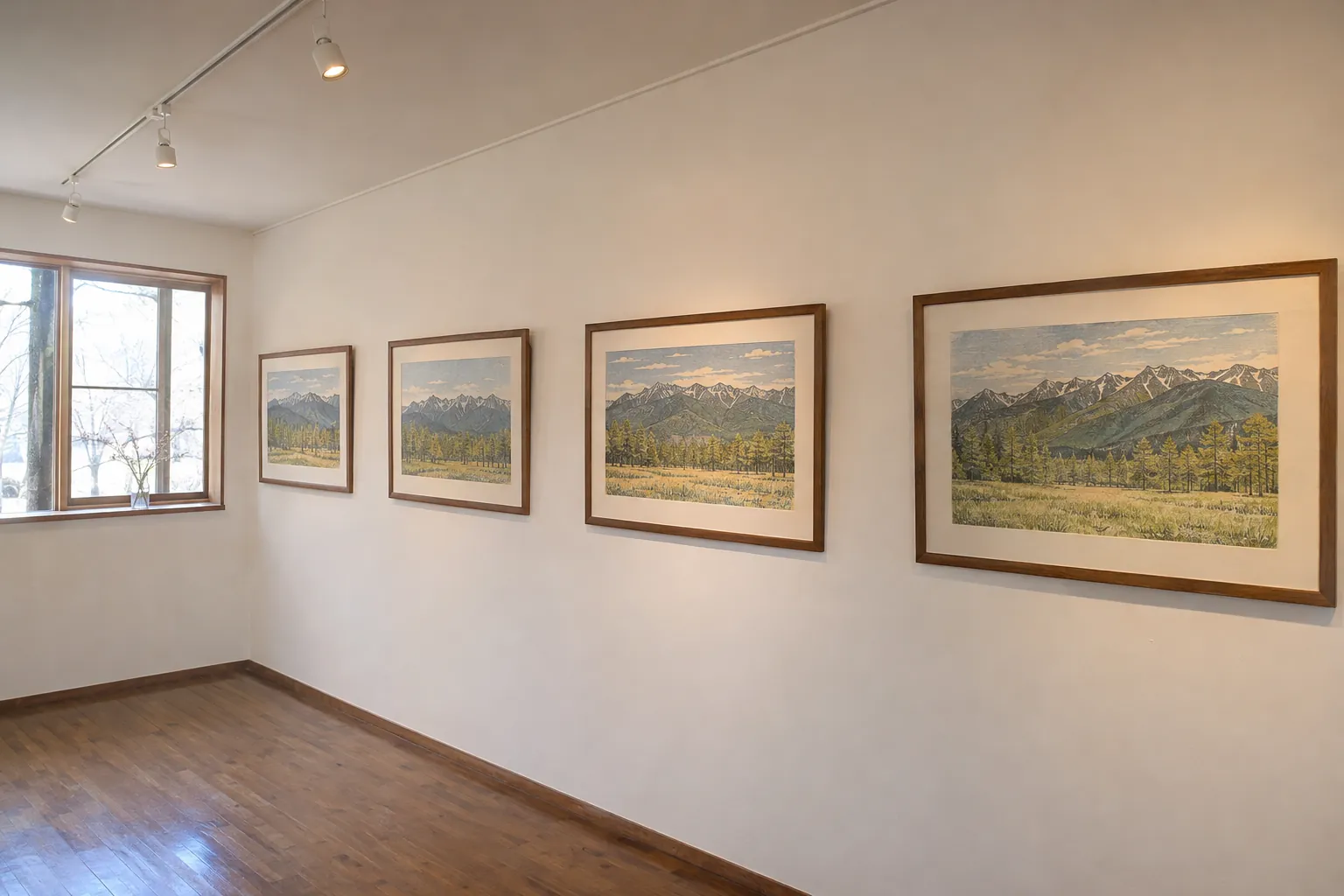
A small museum of woodblock prints of the mountains.
Tip
With only three rooms, you can take each print slowly. In the room that sets the same mountain across the seasons, look at how the layers of color change. Afterwards, compare the prints with the real mountains outside the window.
Good forRainy daysQuiet time
Price guide
Adults ¥800, free for high-school age and under. Print-making ¥2,000 per person (booking required)
Languages
Japanese / English
Closed
Tuesdays (the next day if a holiday), 28 Dec–4 Jan
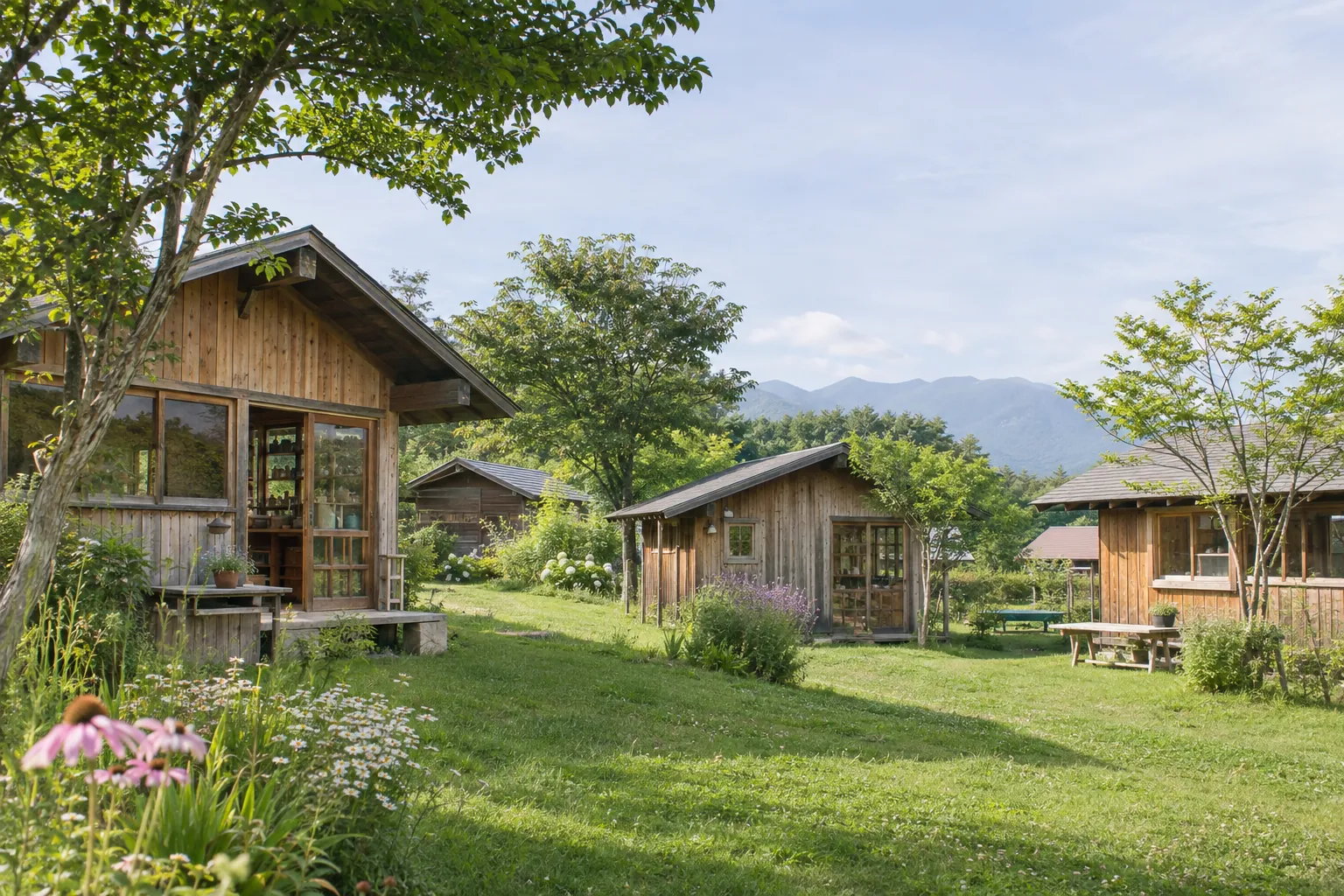
Artists may be at work in their studios. An open door means you are welcome, so say hello before you look in. The garden path takes about 20 minutes and its benches face the mountains.
Good forQuiet timeFamilies with children
Price guide
Entry ¥500 (free for age 15 and under). Pottery ¥3,500 per person (booking required)
Languages
Japanese
Closed
Mondays and Thursdays (open on holidays); Dec–Mar weekends and holidays only
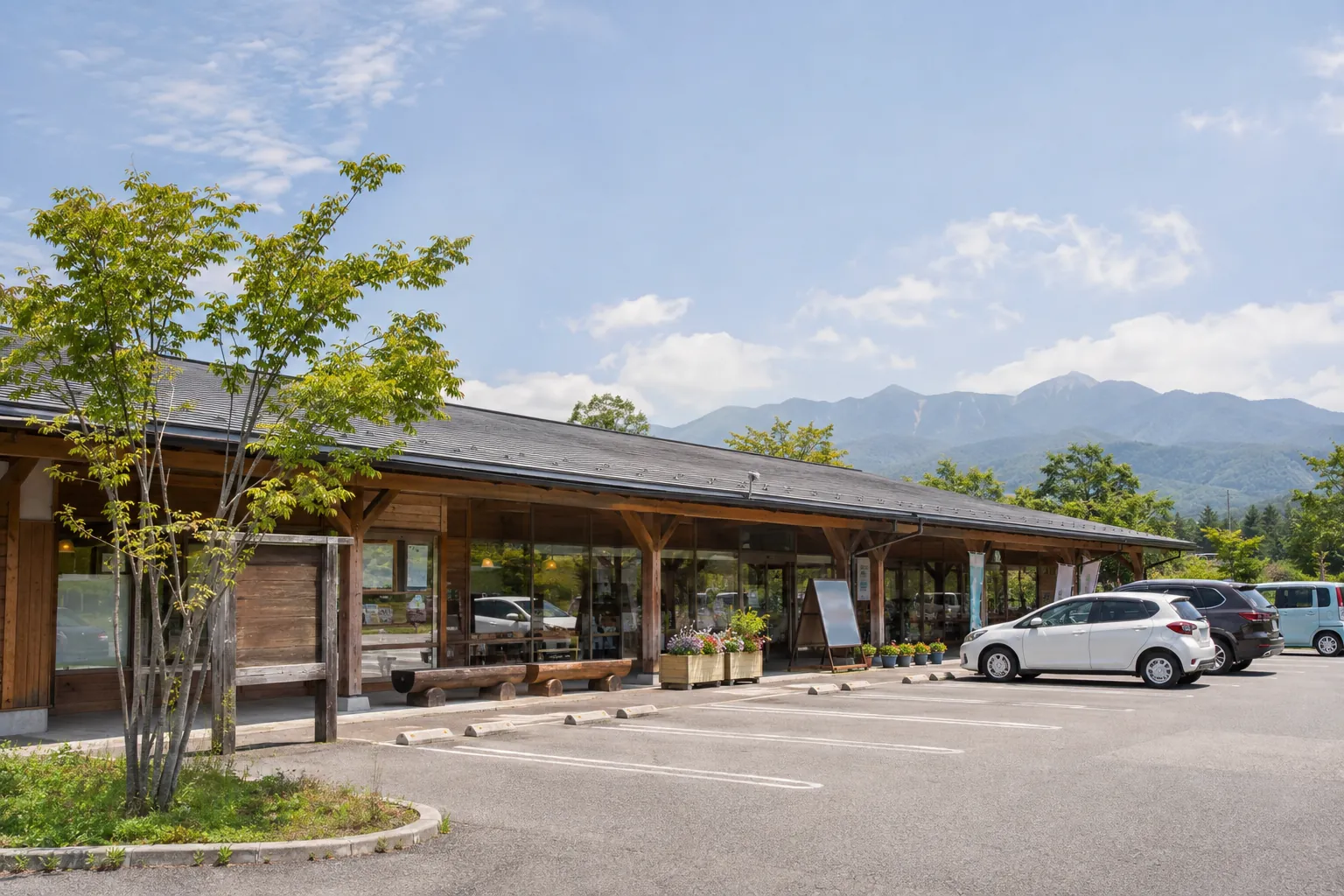
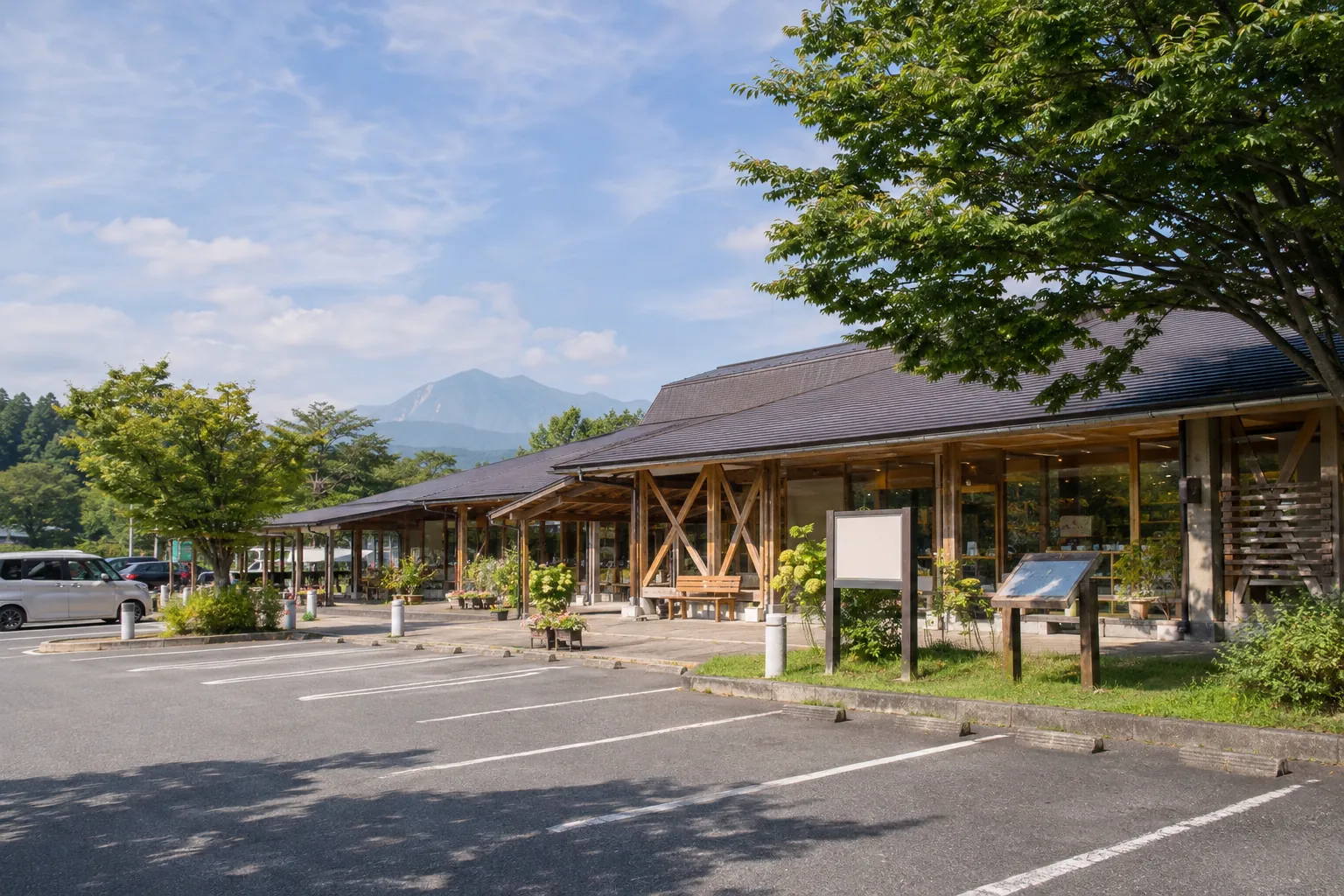
A roadside station with a farm shop, hot spring and soba.
Tip
Kogen-no-Yu has shopping, food and a hot spring in one place. The farm shop is best stocked in the morning. If you stop on your way home, warm up in the bath first, then load the car with vegetables.
Good forRainy daysFamilies with children
Price guide
Hot spring ¥850 adults, ¥420 children; soba from ¥950
Languages
Japanese
Closed
Two days a year (maintenance in February and June)
A farm diner with set meals of its own pork and eggs.
Tip
Makiba is run by the farming family. Next to the till, a notice explains how the pigs are raised and fed. Read it before you eat and the same dish tastes different.
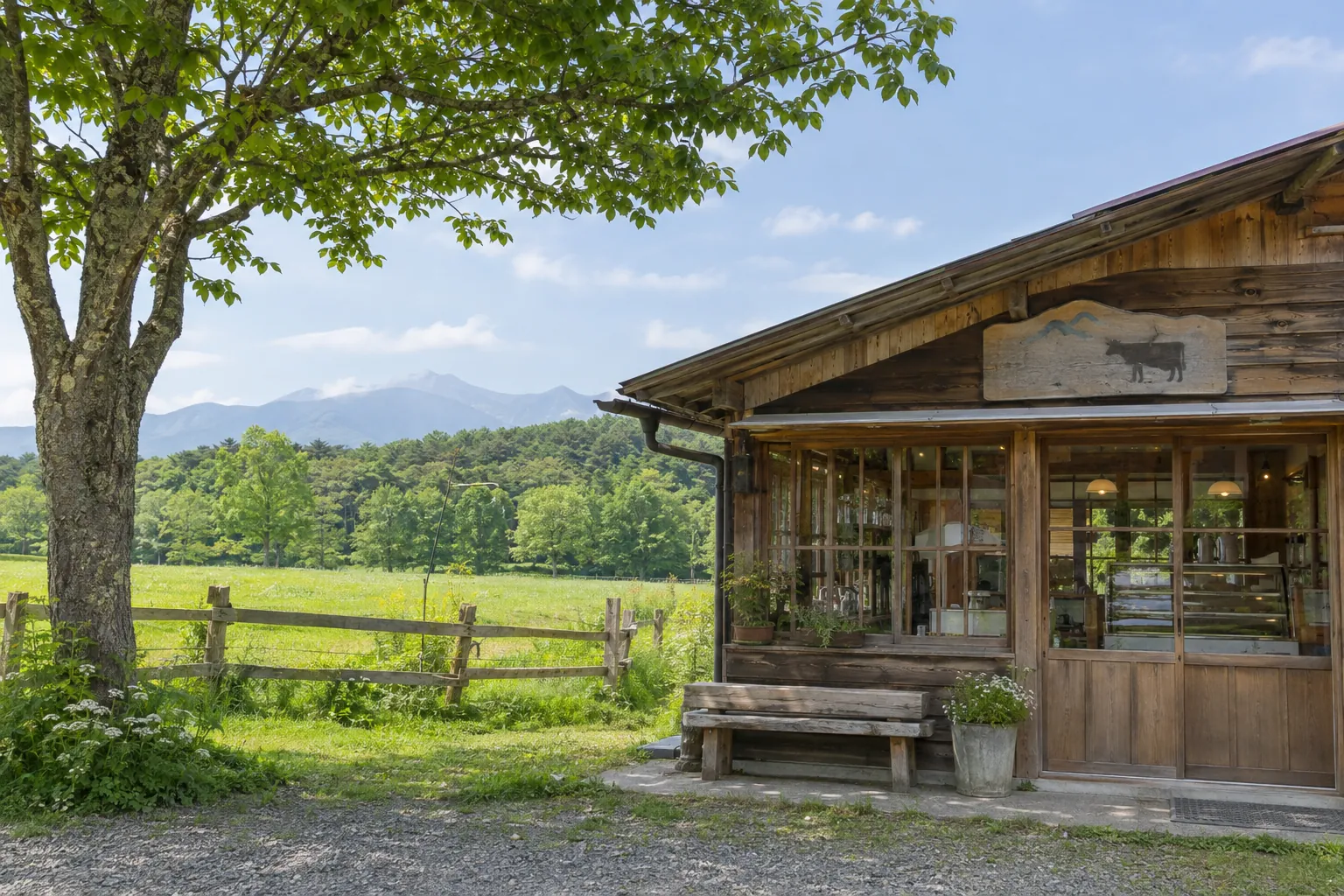
The Highland Milk Stand uses milk from the farm next door. Try the soft-serve plain first to taste the milk itself. On a sunny day, eat it on the benches outside, watching the cows.
Walk among highland wildflowers through the seasons.
Tip
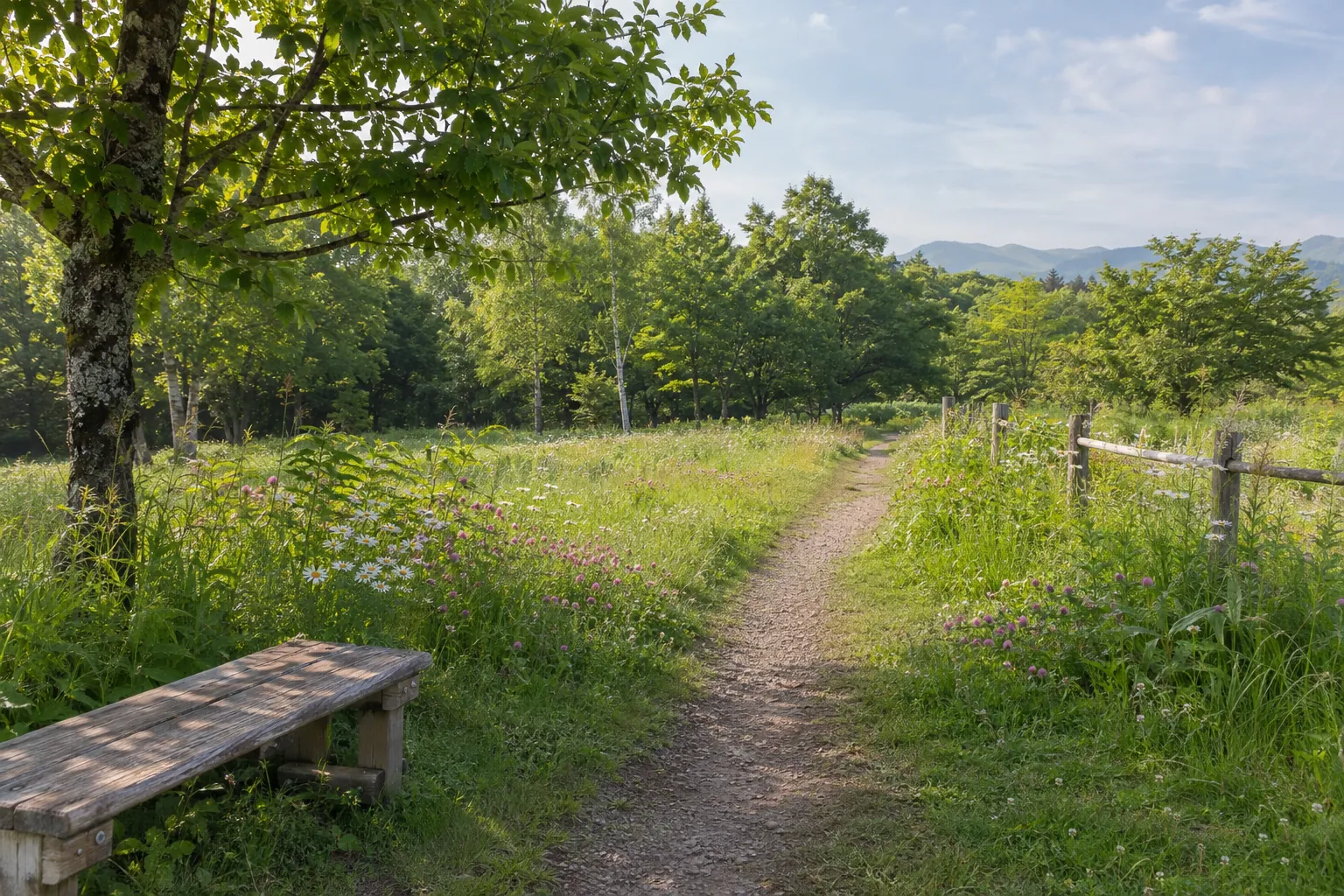
Plants here grow from fallen seed rather than planting. Labels are small, so check the flower map from the entrance when something catches your eye. Mornings are best, when flowers have just opened and the scents are fresh.
Good forQuiet timeFamilies with children
Price guide
Adults ¥700, children ¥300. Guided walk ¥500 per person (plus entry)
Languages
Japanese
Closed
Wednesdays (open daily in July and August); closed mid-November to mid-April
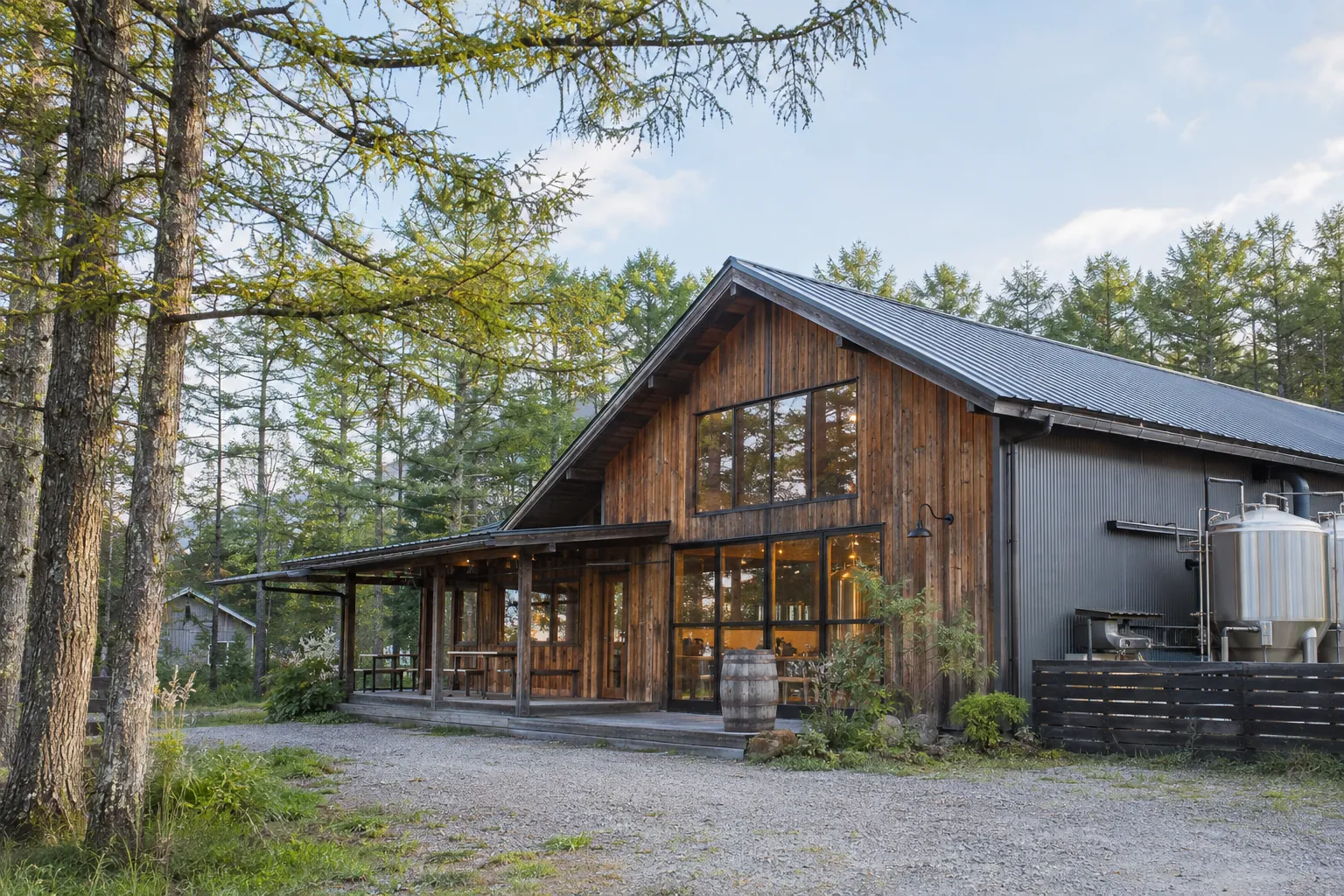
A brewery taproom pouring beer made with highland water.
Tip
At Highland Brewery you can see the brewing tanks through glass at the back. Try a few small glasses side by side to see how one water makes very different beers. If you are driving, enjoy the non-alcoholic drinks and take bottles home.
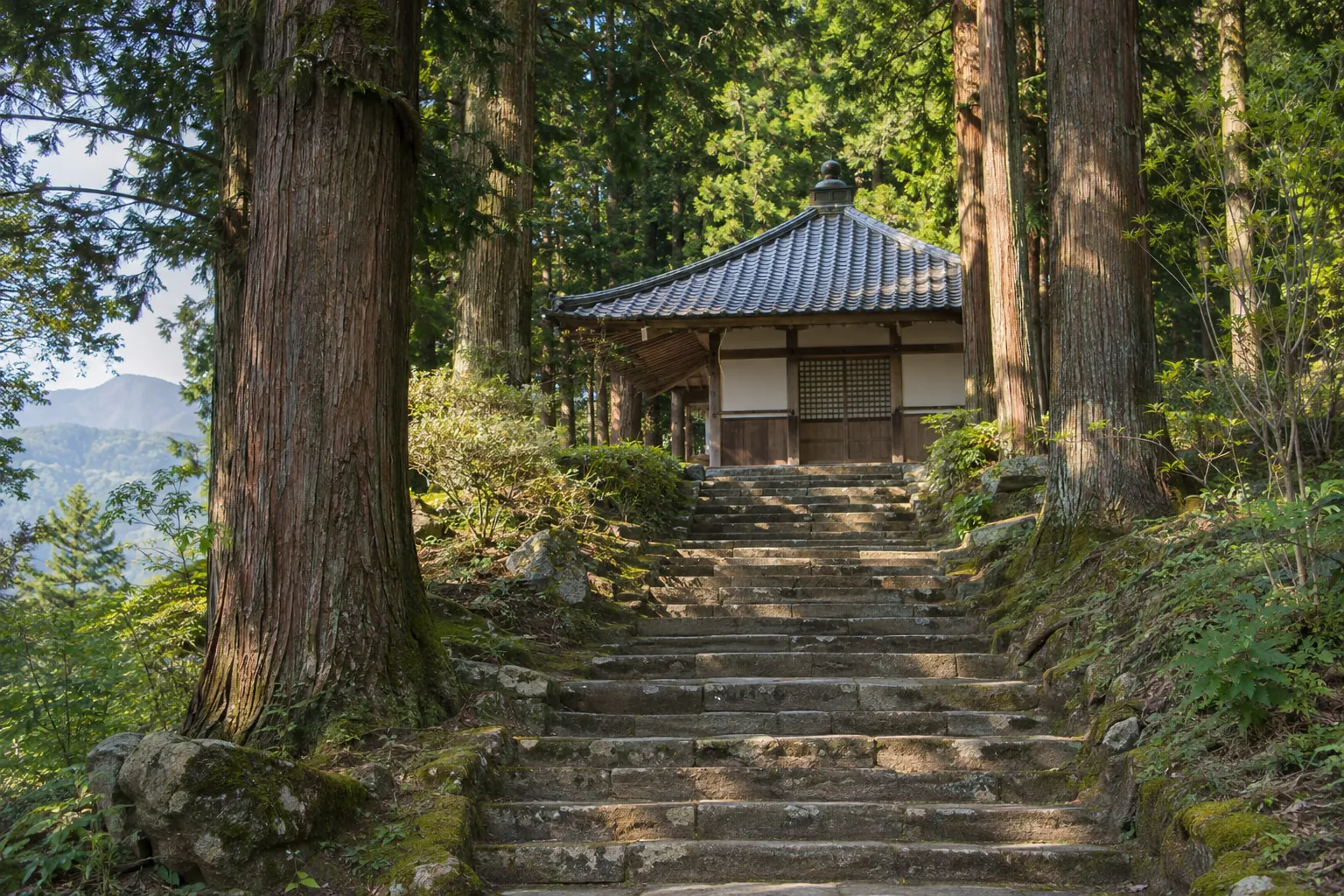
Zazen begins not with sitting perfectly but with counting your breath. The priest shows first-timers how to sit. Walk the grounds afterwards and notice how much more you hear and smell.
Good forQuiet timeHistory loversRainy days
Price guide
Grounds free. Zazen ¥1,000, sutra copying ¥1,500 per person (booking required)
Ishiusu-an makes only one day’s worth of noodles and closes when they run out, so go early. Taste the first mouthful without dipping sauce to find the buckwheat aroma.
Matcha with spring water in a pine-grove tea room.
Tip
You rinse your hands and mouth at the stone basin before entering. Each step of etiquette is shown to you, so there is nothing to memorise. Ask why the bowl is turned before drinking; the answer opens up the thinking behind tea.
Good forQuiet timeHistory loversRainy days
Price guide
Grounds free. Matcha and sweet ¥1,000. Tea ceremony session ¥3,000 per person (booking required)
Fermented dishes made with the brewery’s koji and sake lees.
Tip
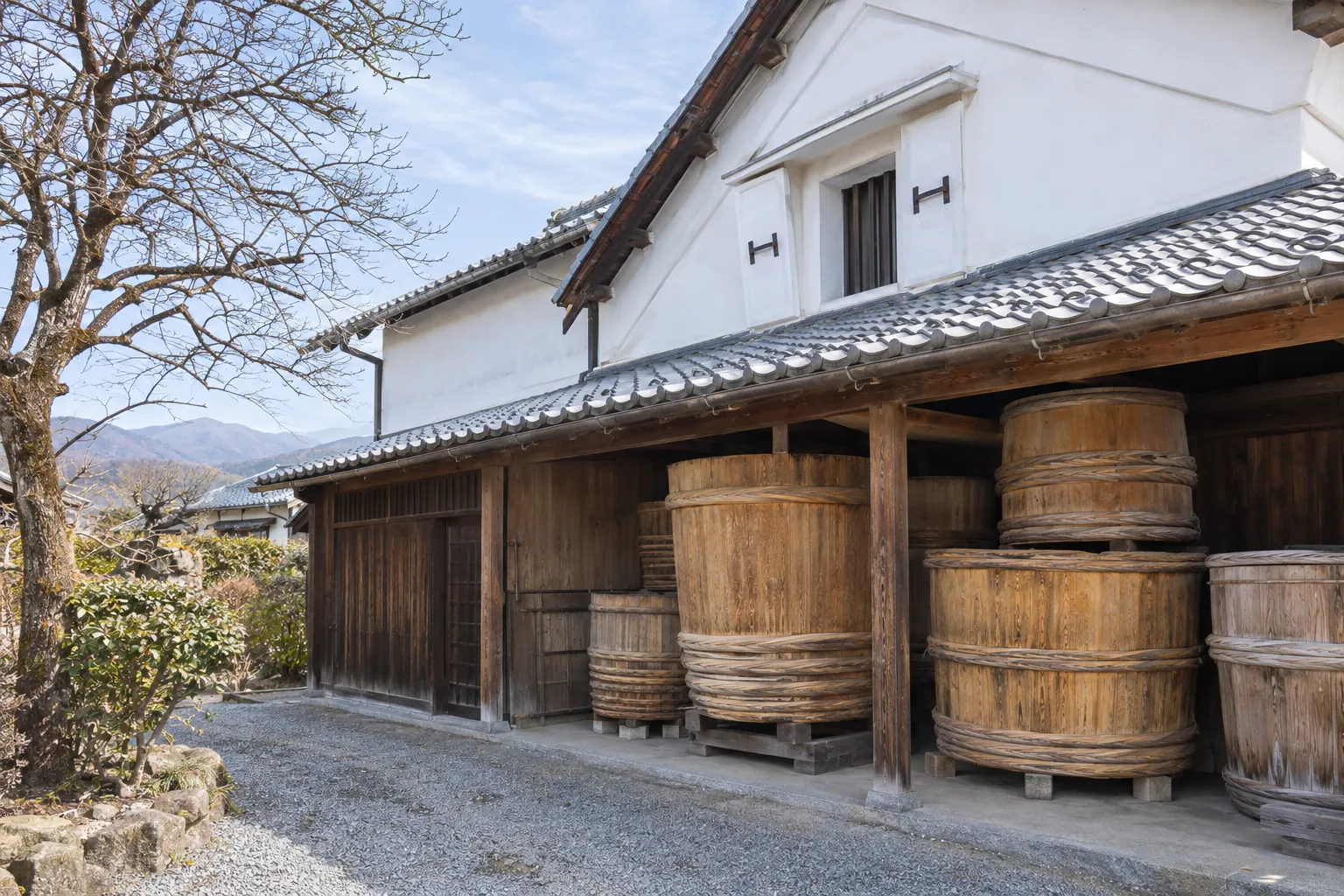
Taru-no-Ma is run by a post-town sake brewery. The koji and lees in the food come from the brewery next door. If you don’t drink, follow the brewery’s flavours through amazake and its brewing water.
Tasting and a brewery tour at a farm-to-bottle sake brewery.
Tip
Komasumi has grown its rice and brewed its sake in one family for five generations, a brewery that starts in the paddy. Beyond the shop, look at the fields around the brewery and the well that supplies its water. Seeing how field, water and brewhouse connect makes choosing a bottle more fun.
Good forDrink loversRainy daysFamilies with children
Price guide
Tasting from ¥300 a glass. Brewery tour ¥500 (booking required). Rice-planting day ¥3,000 (late May; booking required)
Spring water to take away, a farm shop and a café.
Tip
Anyone can use the water tap at Meisui-no-Sato for free. Bring empty bottles and you have drinking water for the trip. The farm shop and café share one building, so you can rest after shopping.
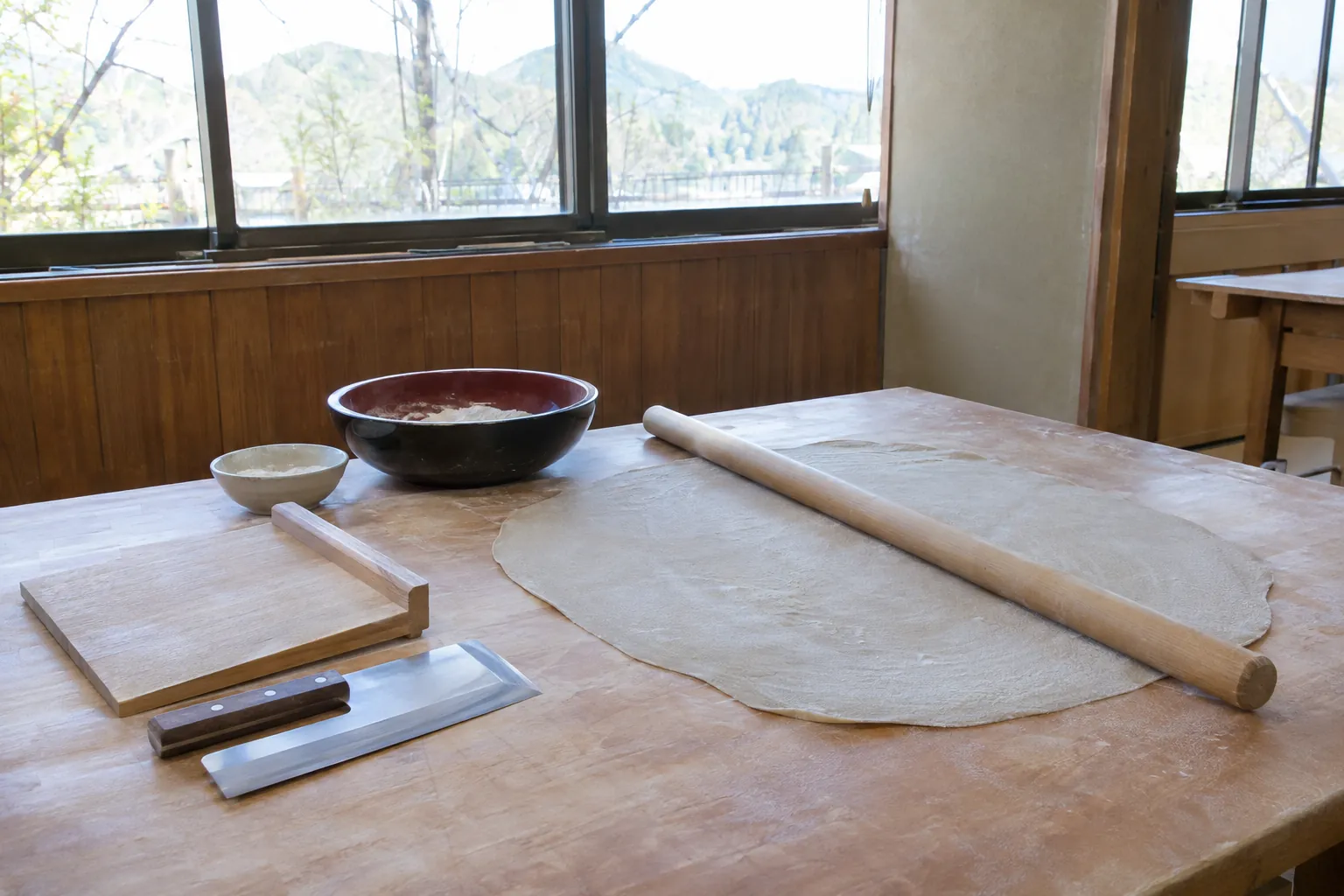
The most important step is the first one: working water into the flour little by little. Watch the teacher’s hands closely. Your soba is boiled on the spot, so taste a strand plain first to catch its aroma.
Good forFamilies with childrenRainy days
Price guide
Soba class ¥5,000 per table (up to 4). Tempura ¥600 a plate
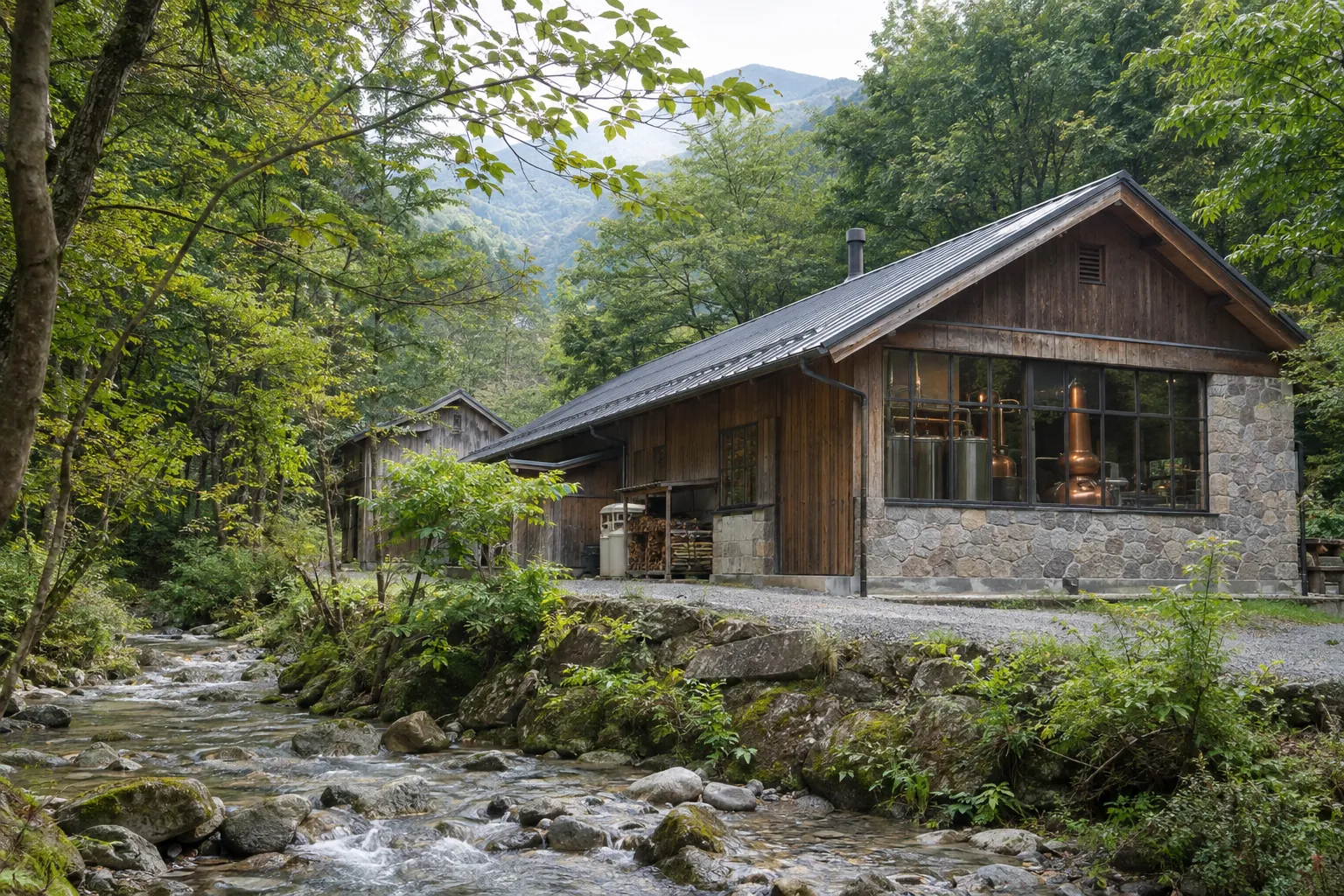
Being small, the whole process from mashing to filling casks is visible in one building. The tasting lines up the same spirit at different ages, so you can follow what the cask does. Drivers get a non-alcoholic malt soda instead.
Good forDrink loversRainy days
Price guide
Distillery tour ¥2,000 per person (with tasting; 20+; booking required)
Languages
Japanese / English
Closed
Tuesdays and Wednesdays (open on holidays), New Year holidays
A restored Meiji-era merchant house in the post town, rented whole. One group a day, up to 6.
Tip
Kuraya keeps the bones of the merchant house it once was. Look up at the beams over the earthen-floored entrance and at the lattice of the old counting room. Walk the post-town street once in the evening and once in the morning to see its quieter side.
Good forHistory loversQuiet timeRainy days
Price guide
From ¥26,000 per person per night with dinner and breakfast (2 guests)
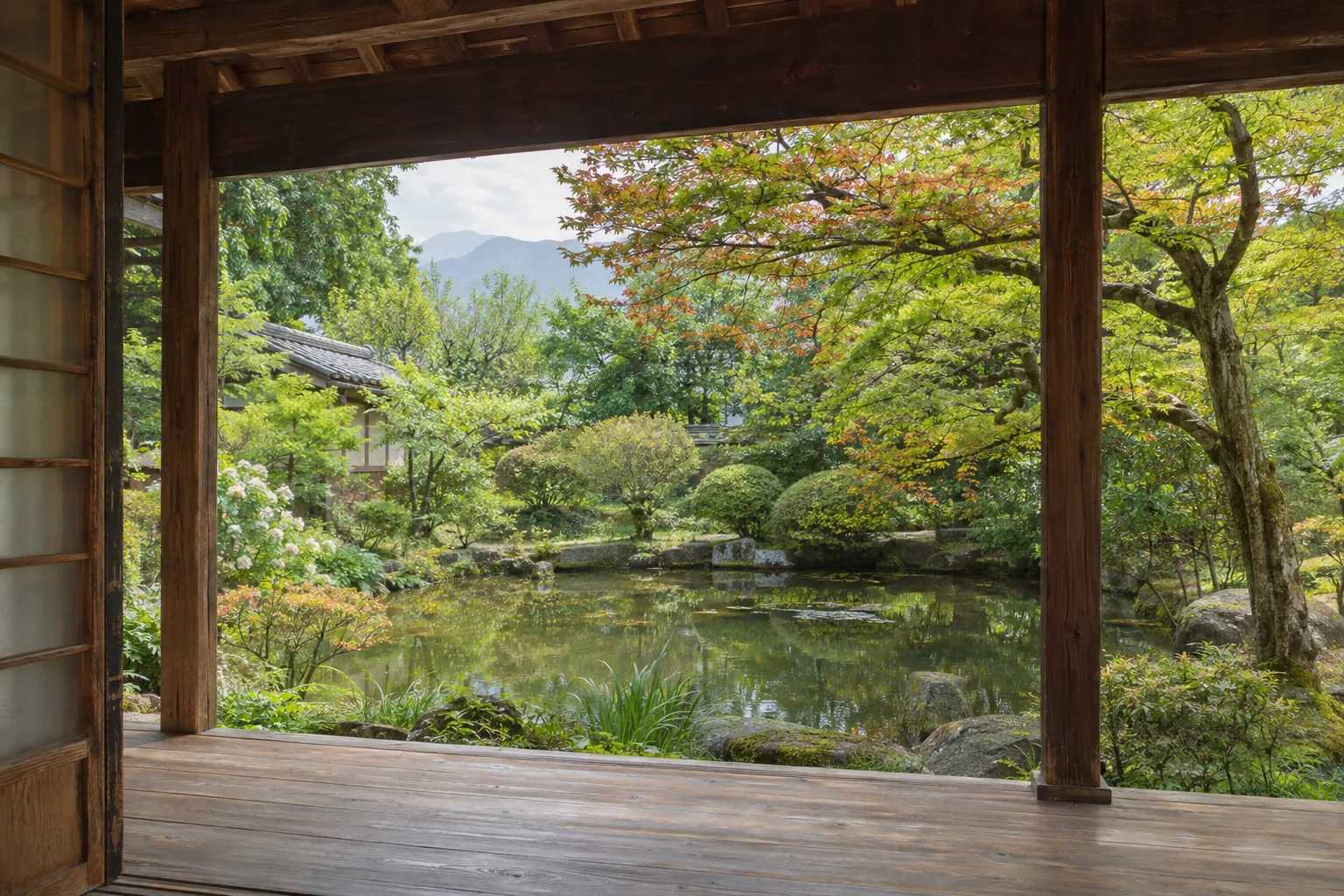
Sit on the tatami of the study hall and the pillars and lintel frame the garden like a picture. Lower your eye line rather than standing. Fresh green in May and red leaves in November are the richest times.
Good forQuiet timeHistory lovers
Price guide
Entry ¥500, free for age 15 and under. Matcha ¥600
Languages
Japanese
Closed
Open daily (the study hall may close for services)
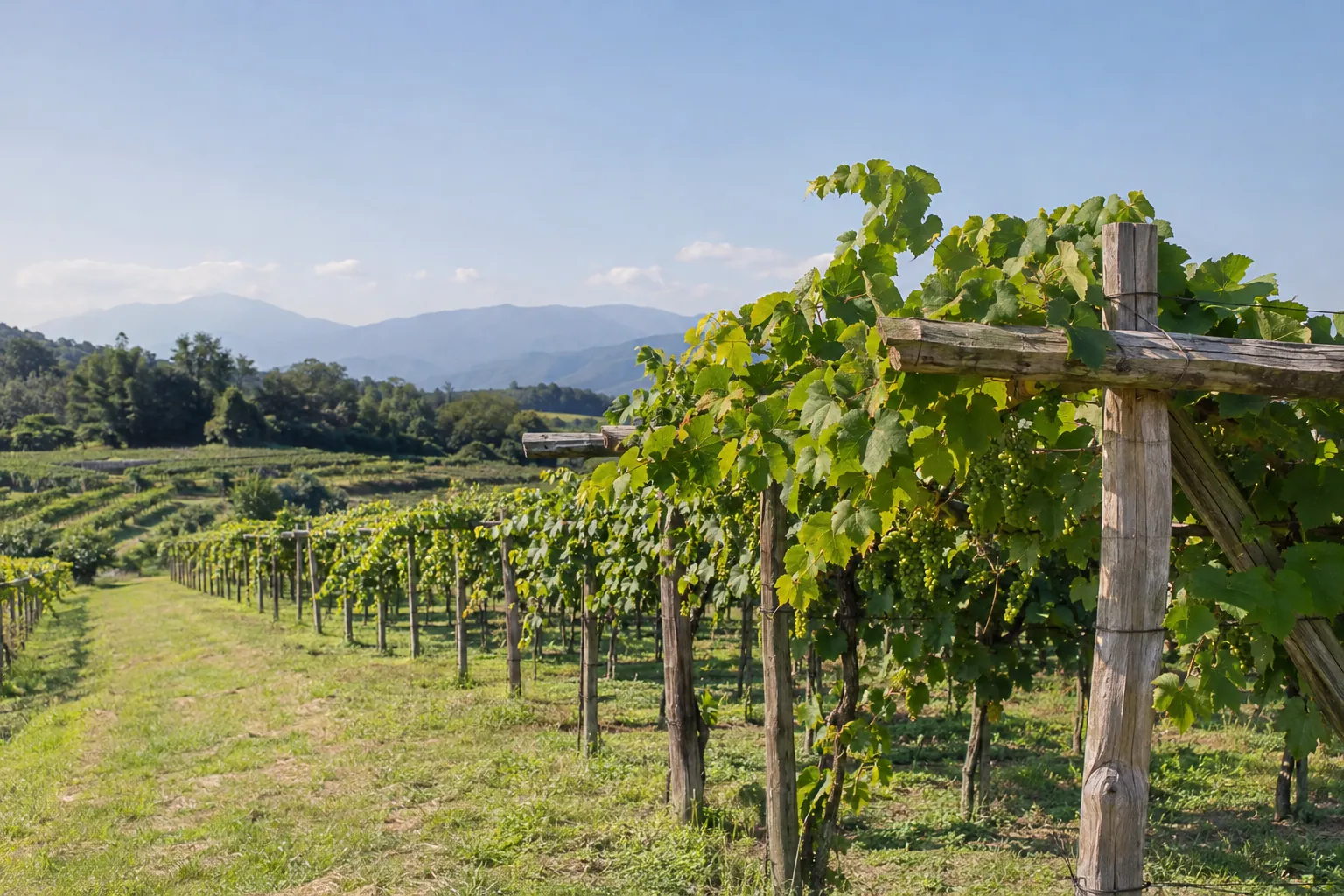
In the vineyard, notice how bunch size and leaf shape differ by variety. The tasting pours wines from the plots you just walked, so you can match landscape and flavor. In the September–October harvest, taste grapes straight from the vine.
Good forDrink lovers
Price guide
Tasting of three ¥1,200. Vineyard and winery tour ¥3,000 per person (with tasting; booking required)
Languages
Japanese
Closed
Tuesdays (open on holidays); weekends only in January and February
The key is mixing the mashed soybeans and koji well, then packing them tight to push out the air. The miso you take home will be ready in about six months. In the works, compare the colors of miso of different ages.
Good forFamilies with childrenRainy days
Price guide
Miso class ¥3,500 per person (about 2 kg to take home; booking required). Works visit free
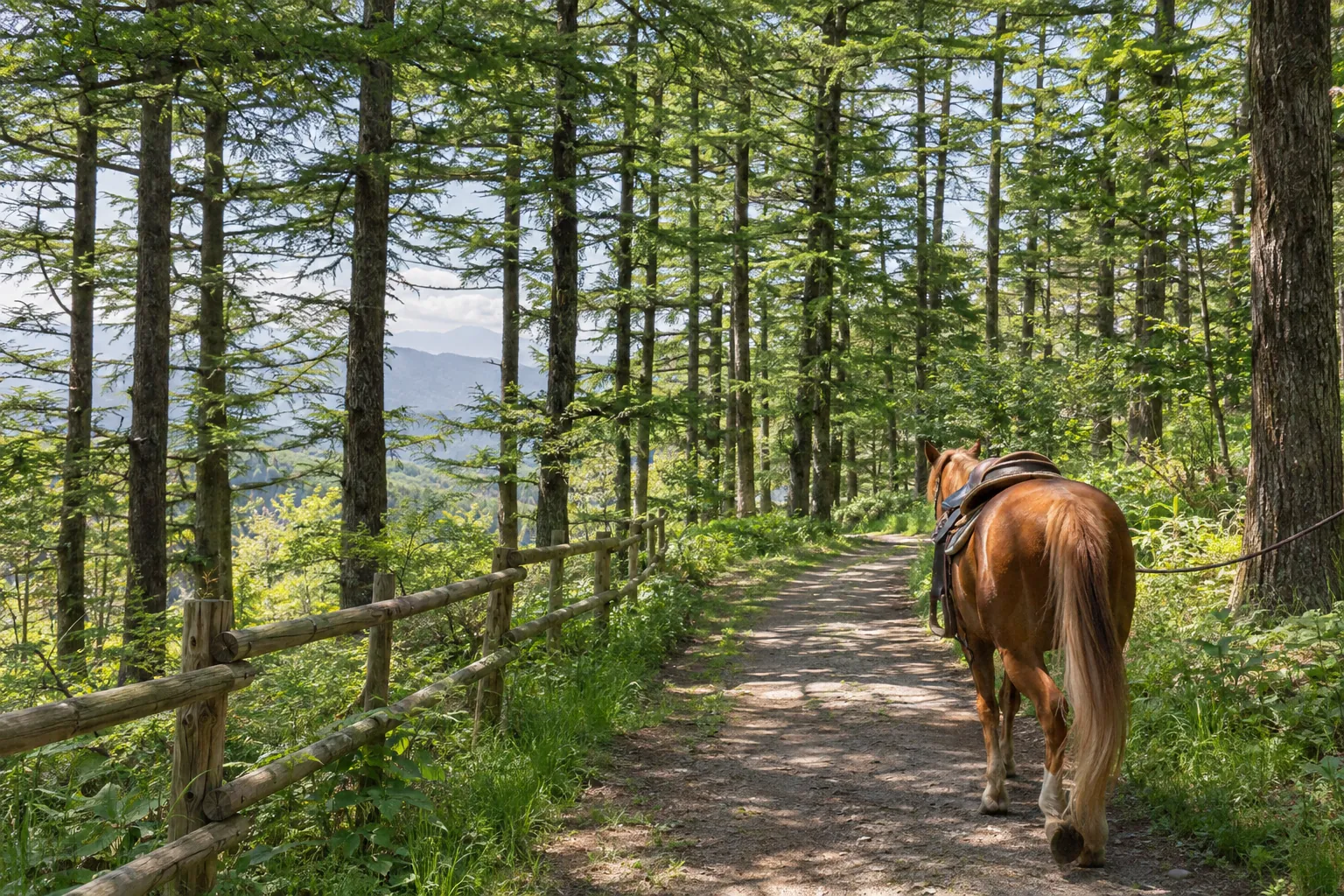
Stroke the horse’s neck to say hello before you mount. Horses sense nerves, so take a deep breath first and yours will walk calmly. In the forest, listen to the hooves and the birds.
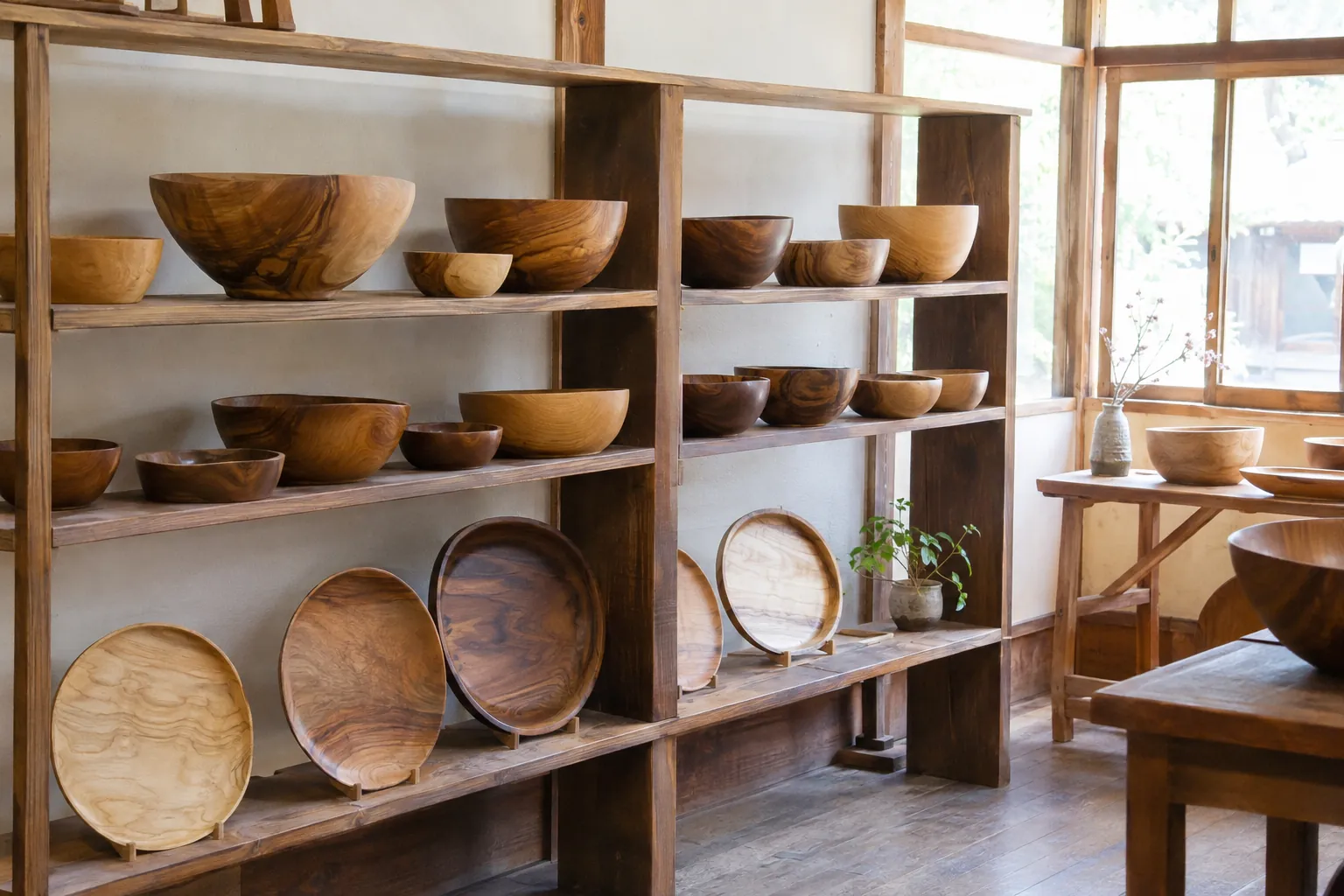
No two wooden bowls share the same grain. When choosing one in the gallery, hold it to feel its weight and surface. Ask how to care for it so it lasts.
Good forQuiet timeRainy daysFamilies with children
Price guide
Gallery free. Spoon carving ¥4,000 per person (booking required)
Komaya’s fresh sweets change shape and colour every month. Ask the staff at the case what each one depicts. You can take them away, but fresh sweets are best eaten the same day, in the tea room.
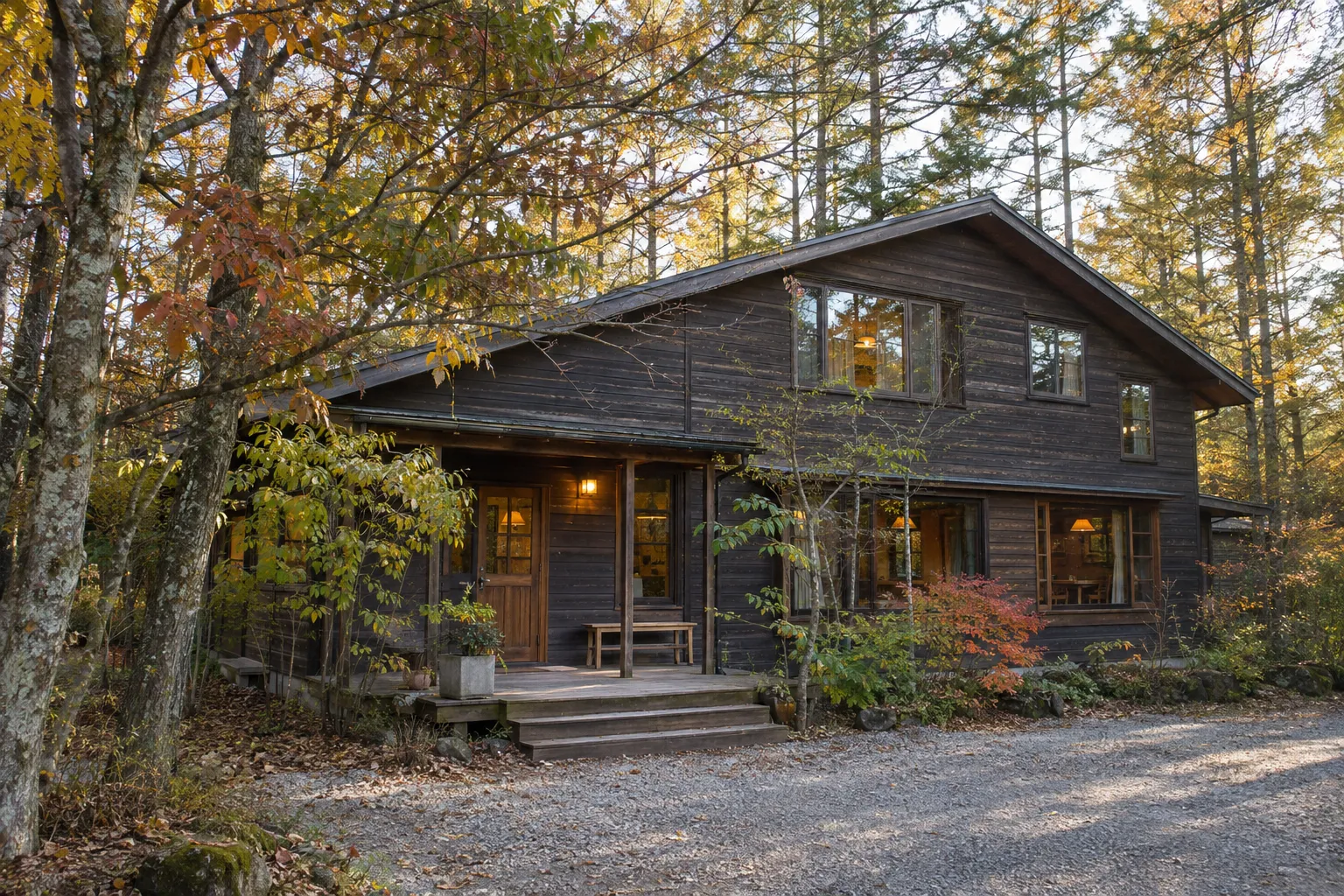
An 18-room hotel in the woods with an open-air hot-spring bath.
Tip
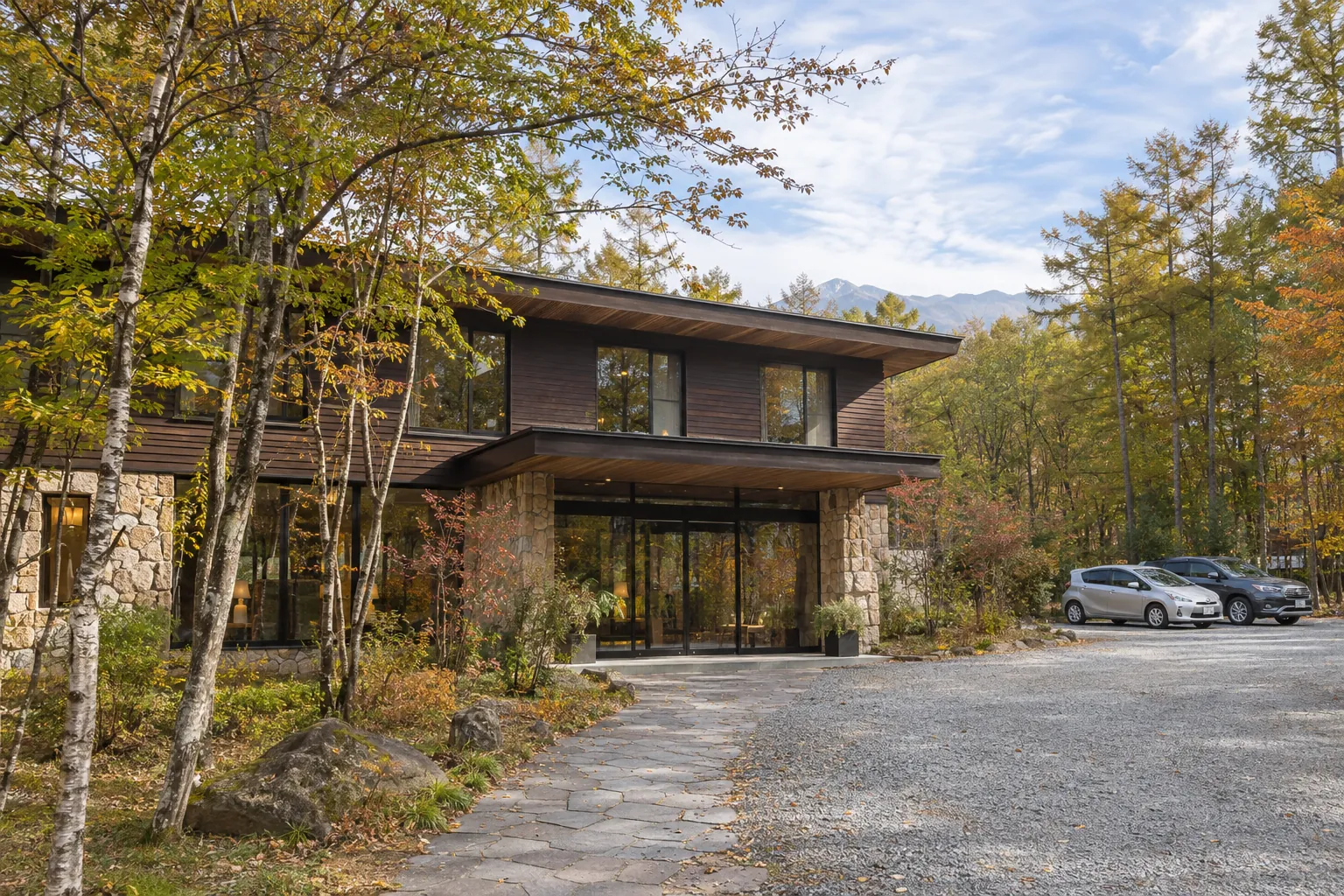
Hoshimi is a place for hot springs and night skies. After dinner, give your eyes time to adjust in the darkened courtyard before you look up. From the open-air bath in the morning, the ridge of the Southern Alps shows beyond the trees.
Good forRainy daysFamilies with childrenQuiet time
Price guide
From ¥22,000 per person per night with dinner and breakfast (2 per room)
A private cottage with a kitchen among the fields.
Tip
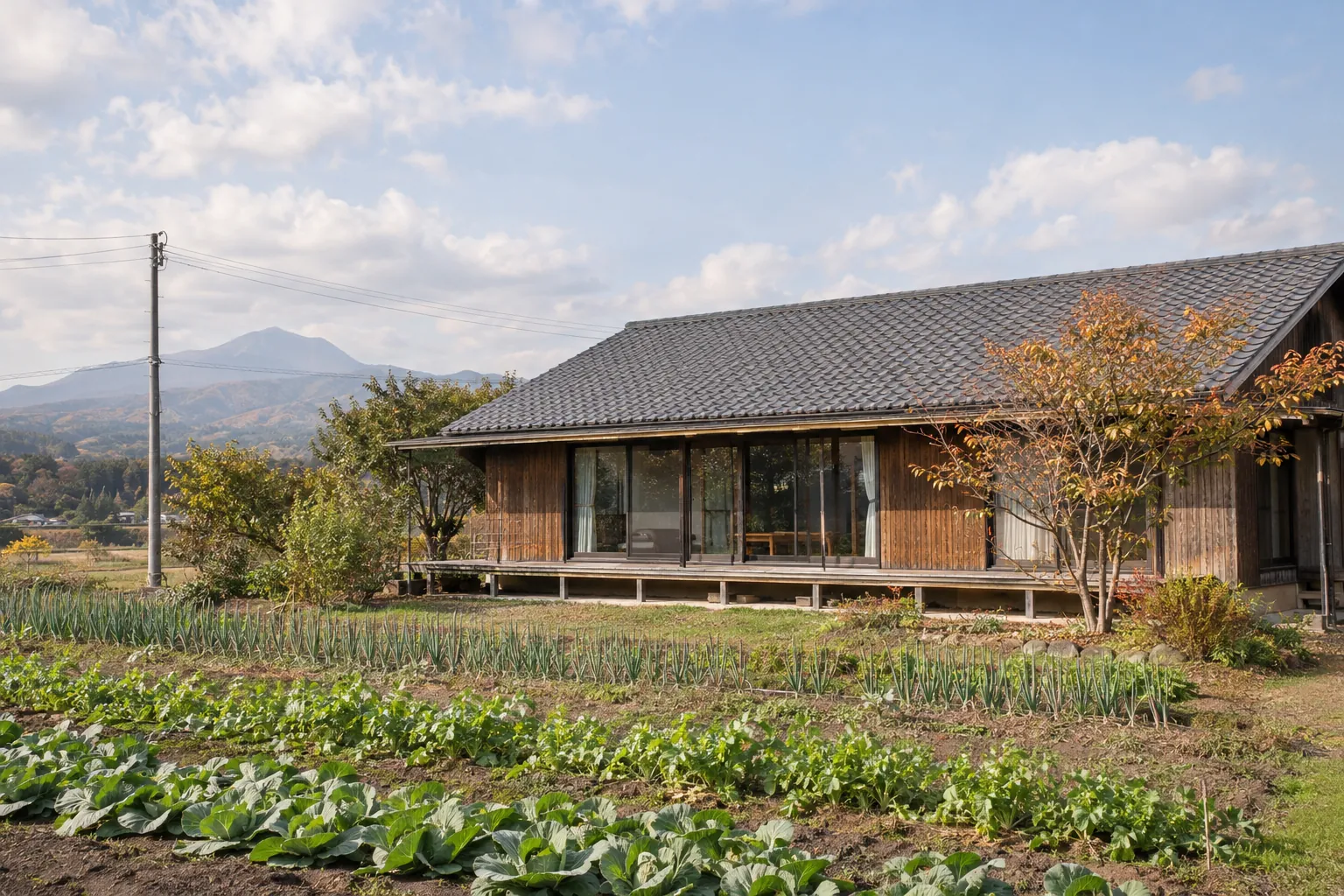
Yubae lets you borrow a slice of farm life. When you arrive, step out onto the veranda and take in the width of the fields and the sky. Order the morning vegetable basket, and cooking your own breakfast becomes part of the trip.
Good forFamilies with childrenQuiet timeWorking too
Price guide
From ¥32,000 per night for the house (up to 4, room only)
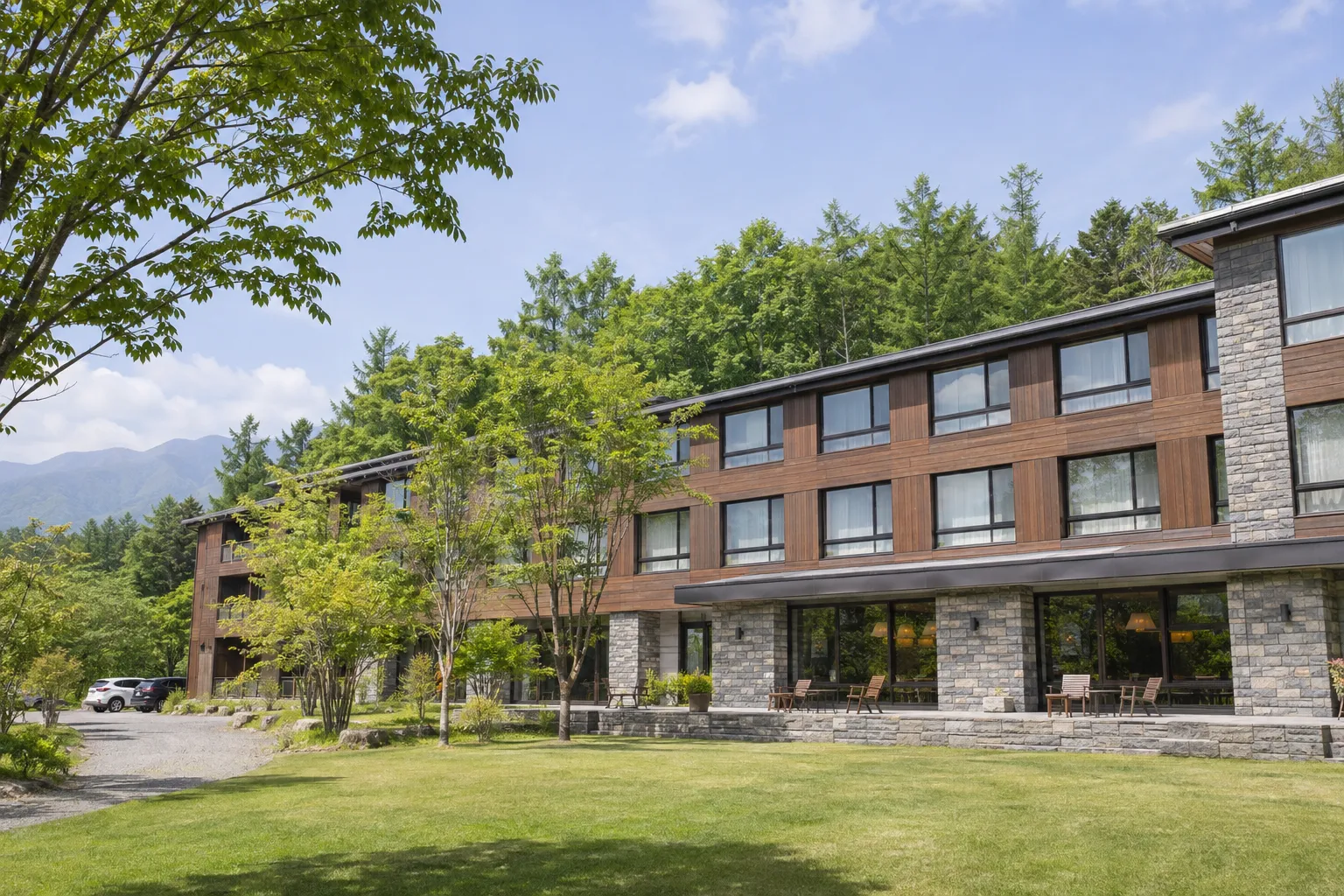
A resort hotel with meeting rooms, a work lounge and dog-friendly rooms.
Tip
Miharashi lets you play and work from the same base. Spend the morning at a window desk in the lounge, then take the dog along the forest path in the afternoon. On clear mornings the terrace looks out over both Yatsugatake and the Southern Alps.
Good forRainy daysFamilies with childrenWorking too
Price guide
From ¥16,000 per person per night with breakfast (2 per room)
A four-room dining inn. Dinner is a course of Yatsugatake vegetables and venison.
Tip
Kurumi is an inn you stay at for dinner. The menu follows the season in the fields and hills, so mention any foods you avoid when you book. After dinner, take your time by the fire.
Good forQuiet timeRainy days
Price guide
From ¥28,000 per person per night with dinner and breakfast (2 per room)
Check-in
15:00–17:30
Book online
No places match these conditions.
Simplified map (shapes and positions approximate)
Three areas
We divide Hokuto into the same three areas used by the city and the Hokuto Food Valley Council.
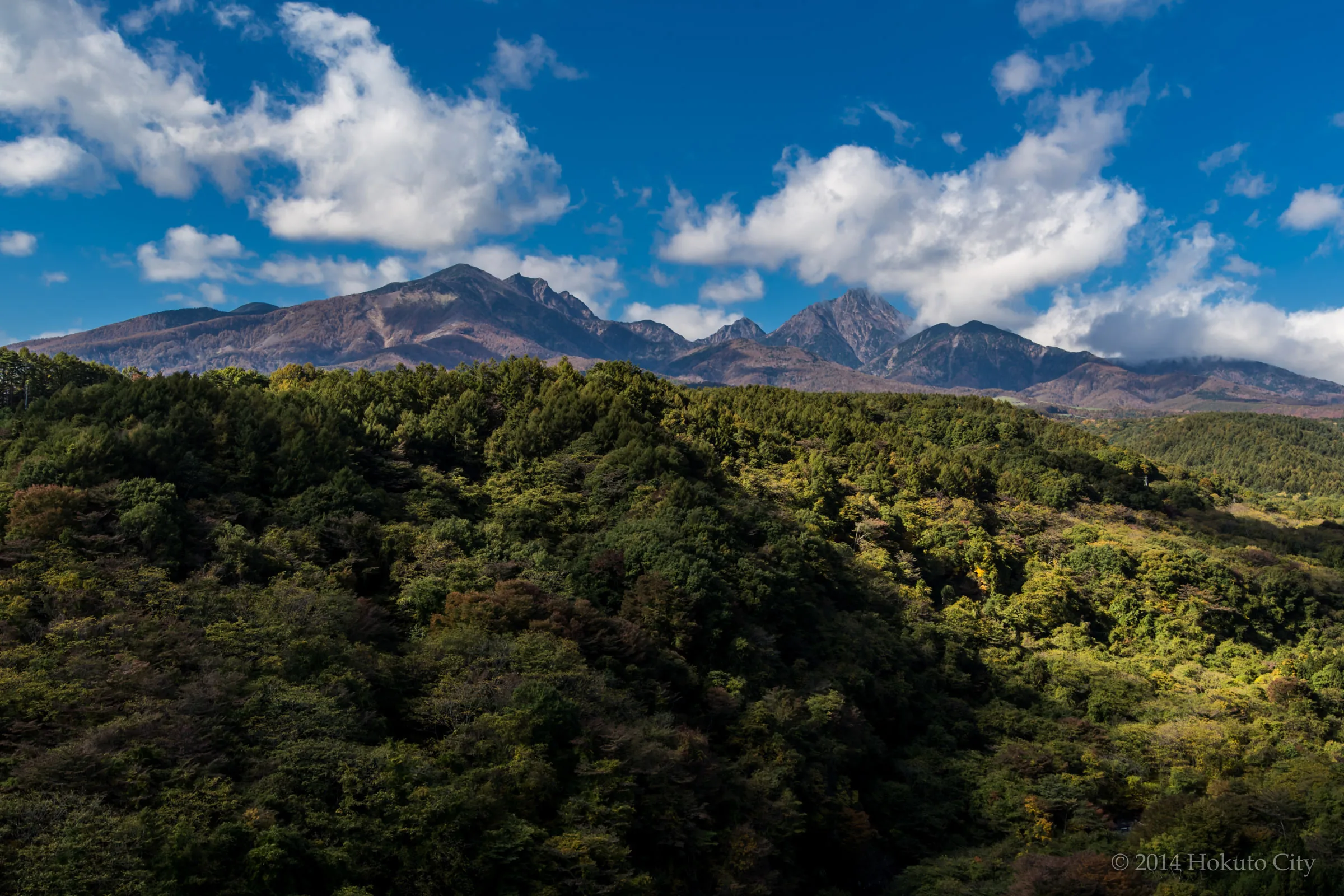
Hakushu and Mukawa, in the south-west of Hokuto at the foot of Mt. Kaikoma in the Southern Alps. Rivers and springs run down from the mountains, and that water is used to make whisky and sake. In Daigahara-juku, a post town on the old Koshu Kaido highway, a sake brewery dating from the Edo period and old houses still line the street.
Good for sake and whisky lovers, people who like walking old streets, and anyone who wants a walk along a mountain stream.
Kobuchisawa, Nagasaka, Oizumi and Takane (Kiyosato), on the southern slopes of Yatsugatake. With Kobuchisawa Station on the Limited Express Azusa line and two expressway exits, most trips to Hokuto start here. Sanbuichi Spring, art museums and resorts are lower down; higher up, Kiyosato and Oizumi stay cool in summer, with farms, forest and waterfalls.
Good if you come by train, like art museums and springs, or want a slow stay somewhere cool in summer.
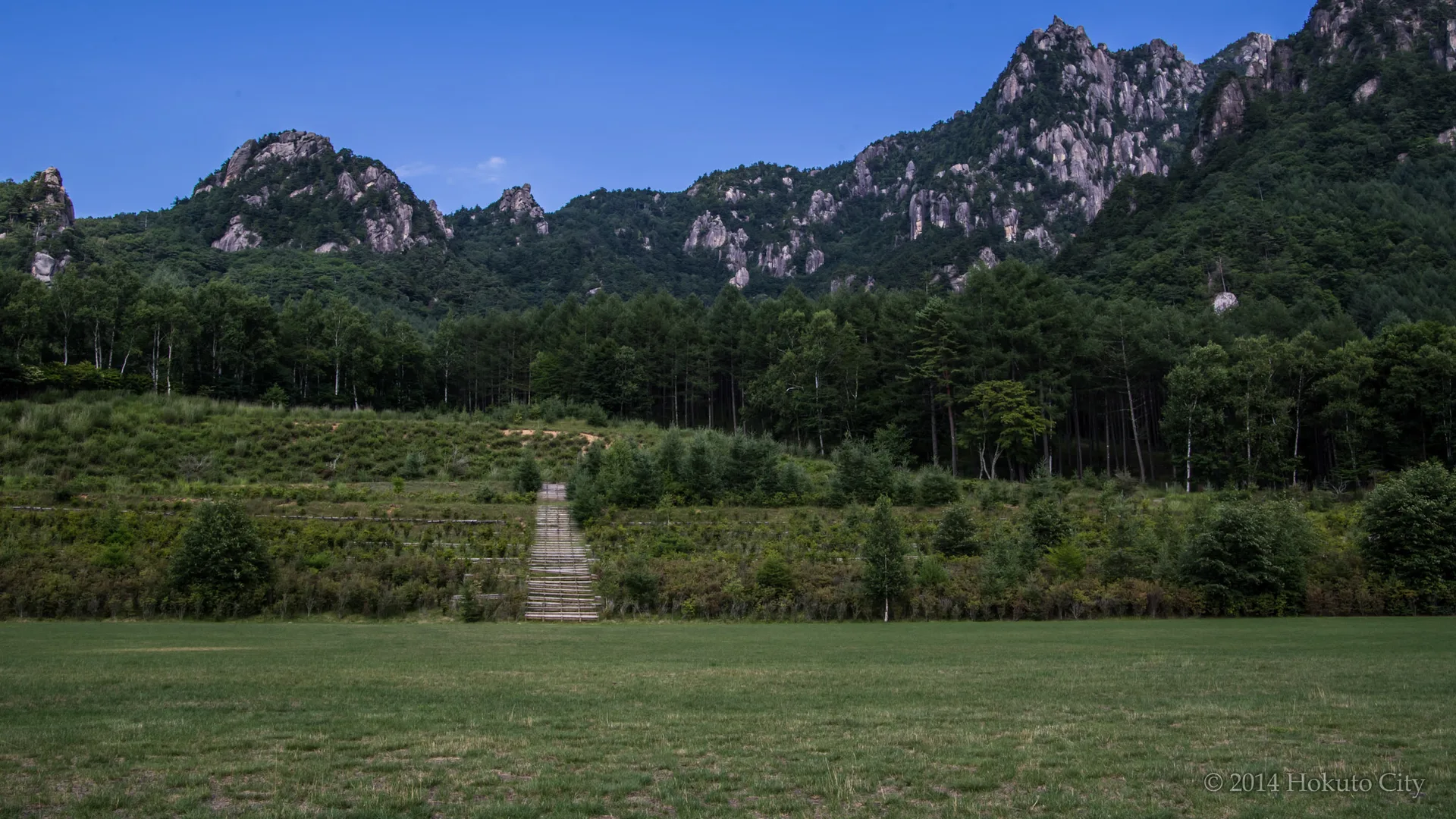
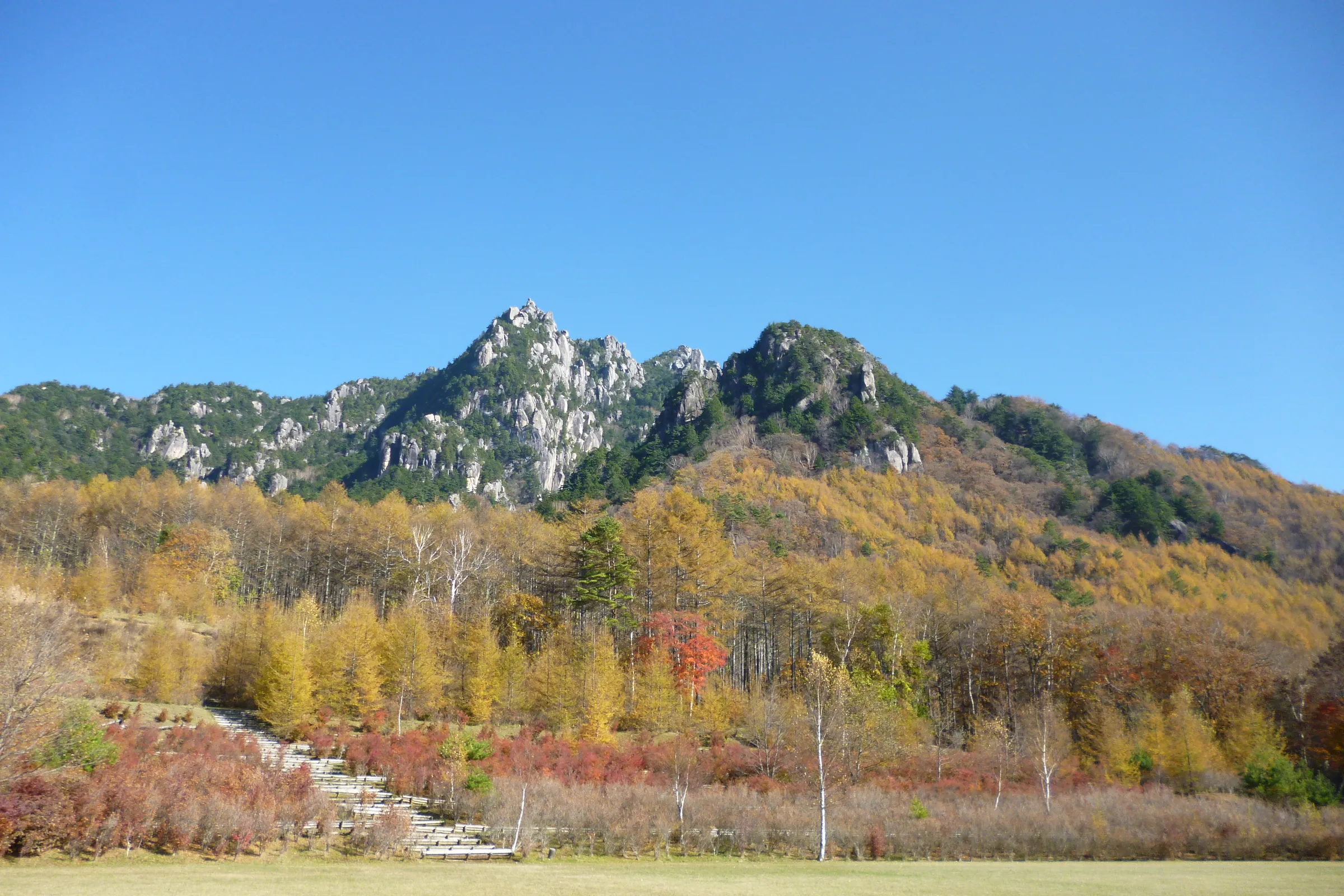
Sutama and Akeno, on the east side of Hokuto. The city lists it as having the most sunshine hours in Japan; in summer sunflowers cover the hills of Akeno. Further north are the rock spires of Mt. Mizugaki and the free-flowing Masutomi Radium Hot Springs, known as Hokuto's hidden retreat.
Good for summer flowers, hiking and bouldering, or taking it easy in a hot spring.
Gateway
Sutama or Nirasaki IC (by train, from Nirasaki Station)
Where to stay
There is a hot-spring villa. We are checking inns at Masutomi with the venues.
 scenic-daigahara-juku-hero.webp